Maintaining Home Appliances: Tips for Longevity and Efficiency
Understanding the Importance of Appliance Maintenance
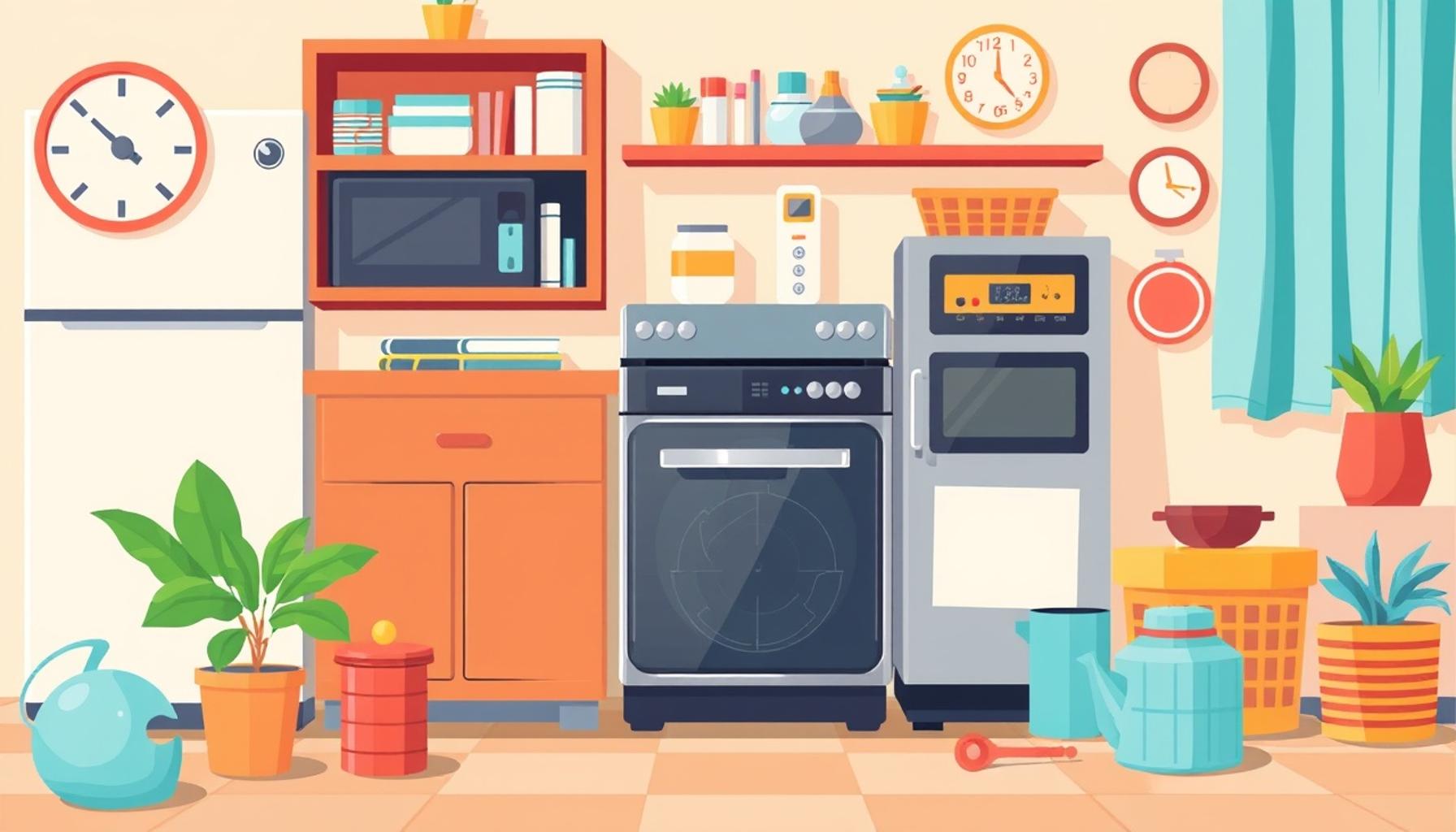
Home appliances are invaluable assets in every household, revolutionizing the way we complete daily tasks such as cooking, cleaning, and preserving food. Their integration into modern life enhances our efficiency and convenience; however, these machines require consistent care and attention to function at their best. Regular maintenance not only ensures that appliances operate smoothly but also significantly reduces the risk of unexpected breakdowns. Homeowners should be aware that neglecting even minor issues can lead to more severe problems down the line, potentially resulting in costly repairs or the need for early replacements.
Here are some critical advantages of maintaining your home appliances:
- Increased Lifespan: Routine inspections and maintenance can add years to the life of your appliances. For example, regularly cleaning the coils of your refrigerator can prevent it from overheating and extending its service life.
- Energy Efficiency: Appliances that receive regular care operate more efficiently. A study by the U.S. Department of Energy suggests that improperly maintained appliances can consume up to 30% more energy.
- Safety: Proper maintenance provides safety against hazards. For instance, neglected dishwashers can develop mold, and malfunctioning ovens can lead to gas leaks or electrical fires, posing serious safety risks.
In the United States, many homeowners overlook the importance of routine appliance checks. A common example is the dryer—failing to adequately clean the lint trap not only hinders drying performance but also significantly increases the risk of fire. In fact, according to the National Fire Protection Association (NFPA), one-third of home fires involving clothes dryers are caused by lint buildup. Another overlooked maintenance issue is the refrigerator condenser fan. When this component gets clogged with dust and debris, it can disrupt the cooling process, leading to higher energy bills and spoilage of food.
The upcoming sections will delve deeper into various strategies and practical tips for effectively maintaining your appliances. By incorporating simple cleaning routines into your weekly tasks and adhering to a regular professional service schedule for critical appliances, you can ensure optimal performance and prevent premature breakdowns. From understanding the peculiarities of different devices to knowing when to call in a professional, these insights will empower you to unlock your appliances’ full potential and serve you well for years to come.
DISCOVER MORE: Click here to enhance your home maintenance skills
Essential Maintenance Tips for Common Home Appliances
Understanding the unique characteristics and maintenance requirements of your home appliances is crucial for ensuring their longevity and efficiency. Each appliance comes with specific needs; thus, adopting a tailored approach not only extends their lifespan but also optimizes performance. Here are some essential guidelines for maintaining various types of appliances commonly found in households.
Refrigerators
One of the most critical appliances in any kitchen, the refrigerator works endlessly to preserve food and maintain freshness. To keep your refrigerator in prime condition, consider the following tips:
- Regular Cleaning: Clean the interior and shelves using a mild cleaning solution to prevent odors and bacteria buildup. Remove any expired items monthly.
- Check Door Seals: Ensure that the door seals are airtight. A simple test is to close the door on a dollar bill; if it easily pulls out, it’s time to replace the seals.
- Coil Maintenance: Clean the condenser coils located at the back or beneath the unit at least twice a year. Dust and debris can hinder cooling efficiency and lead to overheating.
Washing Machines
A washing machine is a workhorse, handling the workload of keeping clothes clean. However, like any appliance, it requires upkeep. Here’s how to maintain this essential cleaning tool:
- Drum Cleaning: Run an empty cycle with hot water and vinegar or a specialized cleaner every few months to remove detergent buildup and odors.
- Hose Inspection: Regularly inspect the water hoses for any signs of wear or leaks. Replace them proactively every five years to prevent breakage.
- Leveling the Machine: Ensure that your washing machine is level. An unbalanced machine may vibrate excessively during cycles, leading to premature wear and potential damage.
Dishwashers
Dishwashers are designed to save time and effort in cleaning up after meals. However, neglect can lead to unpleasant odors and decreased efficiency. Here are crucial maintenance steps:
- Filter Cleaning: Frequently remove and clean the filter, as food particles can easily accumulate, affecting the dishwasher’s performance.
- Inspect Spray Arms: Ensure the spray arms are free of clogs so they can distribute water effectively. A simple rinse can clear any blockages.
- Descaling: Use a descaling agent or vinegar monthly to prevent limescale buildup, especially in hard water areas, to maintain peak performance.
By adhering to these maintenance tips for your refrigerator, washing machine, and dishwasher, you can substantially enhance their efficiency and lifespan. It’s vital to develop a maintenance routine that fits seamlessly into your schedule, allowing your appliances to operate at their very best. The effort you put into maintenance today will pay off with lower energy bills, fewer repairs, and a longer lifespan for your valuable appliances.
Understanding Appliance Maintenance: A Deeper Dive
When it comes to maintaining home appliances, knowledge is as vital as action. Regular checks and simple maintenance practices can significantly enhance the performance and lifespan of your devices. The following sections delve into specific appliances and key maintenance tips that ensure their longevity and maximum efficiency.
1. Refrigerators
Your refrigerator is central to your kitchen’s functionality. It is essential to keep it clean and well-maintained. Clean the coils every six months and ensure the door seals are tight to maintain optimal temperatures and efficiency.
2. Washing Machines
To prevent mold and unpleasant odors, keep the door open after a wash cycle to allow it to dry. Regularly clean the detergent drawer to avoid build-up and use the machine on a hot cycle periodically to cleanse the interior.
3. Ovens
Keep your oven in top shape by regularly checking the seals and cleaning spills promptly. Ensure that the oven temperature is accurate by using an oven thermometer, which helps you cook more efficiently and avoids energy waste.
4. Dishwashers
Maintain your dishwasher by cleaning the filter monthly, checking spray arms for clogs, and using the right detergent to ensure efficient cleaning action. Periodic cleaning of the interior will also help avoid unpleasant odors and keep your appliance in working order.
The Role of Energy Efficiency
Adopting energy-efficient practices not only reduces your environmental footprint but can also save you money. Using appliances during off-peak energy hours can result in lower energy bills. Furthermore, maintaining your appliances ensures they run at optimal performance, reducing the risk of replacement costs.
Essential Tools for Maintenance
Having the right tools can make appliance maintenance simpler. A basic toolkit should include a multimeter for electrical appliances, a vacuum cleaner for coils and filters, and basic screwdrivers and wrenches. Investing in these tools can help you perform routine inspections and maintenance with ease.
| Category | Key Features |
|---|---|
| Refrigerators | Keep coils clean and seals intact for efficiency. |
| Washing Machines | Prevent mold; clean drawers and use hot cycles periodically. |
| Ovens | Regularly clean seals and check temperature accuracy. |
| Dishwashers | Clean filters and interiors to avoid odors and maintain cleaning efficiency. |
These maintenance techniques not only improve the performance of the appliances but also provide significant savings over time. By taking proactive steps, you can keep your home running smoothly without interruption.
DISCOVER MORE: Click here to dive deeper
Care for Small Kitchen Appliances
In addition to larger appliances, your small kitchen gadgets deserve just as much attention. Maintaining items such as coffee makers, microwaves, and blenders can significantly improve their performance and increase their lifespan. Here are essential care practices to keep them functioning optimally:
Coffee Makers
A good cup of coffee starts with a well-maintained coffee maker. Regular maintenance not only ensures great flavor but also prevents mineral buildup:
- Descale Regularly: Depending on your water hardness, descale your coffee maker every 1-3 months using a solution of equal parts vinegar and water. This helps to eliminate limescale that can impede the brewing process.
- Wash Parts: Regularly clean the carafe and filter basket with warm, soapy water. Avoid using harsh chemicals that could linger and affect the taste of your coffee.
- Replace Filters: If your coffee maker has a water filter, make sure to replace it as recommended (typically every 2 months) to maintain the quality of your brew.
Microwaves
Microwaves are essential for quick meals, but neglect can lead to unpleasant odors and functionality issues:
- Interior Cleaning: Wipe down the interior regularly with a damp cloth and a mixture of vinegar and water to cut through food splatters and residues.
- Check the Door: Ensure that the microwave door seals tightly. A worn seal can lead to energy loss and inefficient cooking.
- Vent Maintenance: Clean or replace the grease filter and the microwave vent to improve airflow and prevent overheating, which can lead to a breakdown.
Blenders
Your blender can whip up smoothies and soups swiftly, but proper maintenance is key to ensuring it stays sharp and effective:
- Self-Cleaning: After each use, add warm water and a drop of dish soap to the blender, then run it for 30 seconds. Rinse thoroughly to ensure no soap residue is left behind.
- Check Blades: Inspect the blades for dullness or damage regularly. If your blades are wearing down, consider purchasing a replacement rather than replacing the entire blender.
- Avoid Overloading: Stick to recommended food quantities when blending. Overloading can strain the motor and lead to premature wear or a burnt-out engine.
Furnaces and HVAC Systems
Keeping your home comfortable requires a well-maintained heating, ventilation, and air conditioning (HVAC) system. Regular care is essential for efficiency, especially in areas with significant temperature fluctuations:
Air Filters
One of the simplest yet most impactful maintenance tasks is regularly changing or cleaning your air filters:
- Monthly Checks: Inspect your air filters monthly and replace them every 1-3 months, depending on your system and filter type. Dirty filters can restrict airflow and drive up energy costs.
Professional Tune-Ups
Just like a car, your HVAC system benefits from professional servicing:
- Annual Inspections: Schedule an annual inspection and tune-up to address minor issues before they escalate into costly repairs. This proactive step can improve efficiency by up to 20%.
Duct Maintenance
Clean ducts enhance air quality and system efficiency:
- Regular Cleaning: Have your ducts professionally cleaned every 3-5 years to remove dust and debris buildup, which promotes better air quality and energy efficiency.
By implementing these maintenance practices for small kitchen appliances and HVAC systems, homeowners can enjoy increased efficiency, lower energy bills, and prolonged equipment lifespan. Maintaining your appliances is not just a chore but an investment in comfort, convenience, and sustainability.
DISCOVER MORE: Click here for essential DIY tips
Conclusion
In summary, maintaining home appliances is an essential practice that not only enhances their performance but also extends their lifespan. By adopting routine care for both small and large appliances, from coffee makers and microwaves to HVAC systems, homeowners can prevent costly repairs and downtime, while enjoying the benefits of improved efficiency.
The key takeaways outlined in this article include the importance of regular cleaning, timely filter replacements, and professional servicing when necessary. Engaging in these proactive measures ensures that your appliances operate at their full potential, optimizing energy usage and saving you money on utility bills. Moreover, a well-maintained home is a healthier environment, as clean air filters and ducts contribute to better indoor air quality.
As technology advances, homeowners should remain informed about the latest maintenance tips and potential upgrades that promote sustainability. Investing time and effort in appliance care is not merely a routine – it’s a commitment to creating a comfortable and efficient living space.
So, the next time you think about appliance upkeep, remember that these small acts lead to significant savings and a cleaner home. Delve deeper into your appliance manuals, seek professional help when needed, and foster a culture of maintenance in your household. Your appliances will thank you, and your wallet will, too.

Linda Carter
Linda Carter is a writer specializing in efficient house cleaning and maintenance. With extensive experience helping readers keep their homes clean, organized, and well cared for, Linda shares practical guidance on cleaning routines, household upkeep, stain removal, and time-saving methods. Her goal is to provide simple tips and effective strategies that make home care easier, faster, and more manageable.