
Creating a reward system to motivate cleaning and optimize time spent
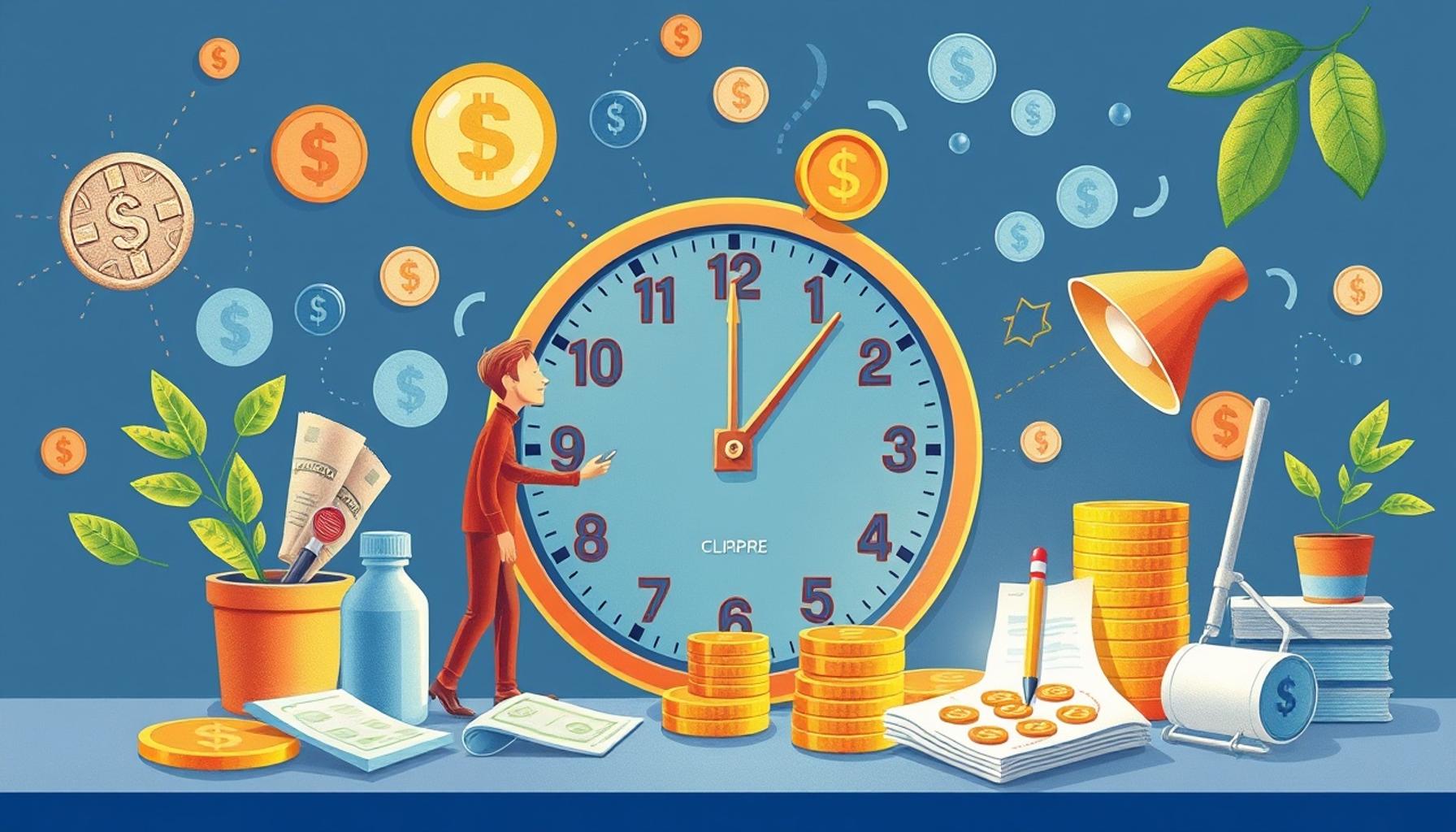
Introduction to a Rewarding Cleaning Routine
Maintaining a clean and organized environment can indeed feel overwhelming at times. The daily grind of chores often leaves little room for enthusiasm. However, the secret to transforming this perception lies in creating an effective reward system tailored to enhance motivation and productivity. By implementing a structured approach to cleaning, mundane activities can be turned into engaging tasks that encourage participation and accountability.
Consider these strategies to cultivate a rewarding cleaning experience in your home or living space:
- Incentive-based tasks: One effective method to promote cleaning is to assign point values to various tasks. For instance, sweeping the living room could earn you 10 points, while deep-cleaning the kitchen might yield 25 points. Once a set number of points is accumulated, they can be redeemed for enjoyable rewards, such as a favorite snack, a movie night, or extra screen time for kids. This game-like approach not only adds motivation but also instills a sense of accomplishment.
- Progress tracking: Visualizing progress can greatly enhance motivation. A chart placed prominently on the fridge or in a common area can serve as a daily reminder of tasks completed and goals achieved. Each time a task is completed, it is marked off the list, allowing for tangible acknowledgment of progress. Celebrate milestones with small treats, like ice cream on a hot day or a family outing, transforming cleaning into a collective effort rather than an individual burden.
- Team challenges: Making cleaning a social activity can elevate the overall experience. Organize friendly competitions among housemates or family members where tasks are divided, and the team that completes their responsibilities the quickest earns a reward. This not only creates an atmosphere of camaraderie but also injects a sense of urgency and excitement to the otherwise mundane chore of cleaning.
Implementing these strategies can yield remarkable results in fostering a positive cleaning routine. A well-structured reward system influences not just productivity levels, but also cultivates an encouraging environment where cleaning is less of a chore and more of a satisfying experience. When people feel rewarded for their efforts, they are more likely to take ownership of their spaces and work collaboratively toward upkeep.
Moreover, establishing such a method can significantly improve time management, ensuring that cleaning tasks are performed efficiently and effectively. By dedicating set timeframes for each task and embracing a reward system, individuals can save precious time that can be redirected toward leisure activities, family bonding, or personal pursuits. As you explore options for creating an engaging cleaning routine, consider innovative ideas that resonate with your lifestyle and household dynamic. The journey to a cleaner environment doesn’t have to be tedious; it can be a fulfilling venture that benefits everyone involved.
DON’T MISS OUT: Click here for essential maintenance tips
Strategies for an Effective Reward System
Creating a successful reward system to motivate cleaning and optimize time spent requires a thoughtful approach. This involves not only assigning values to tasks but also recognizing individual preferences and the dynamics of your household. Below are strategies that can elevate motivation and make cleaning both productive and enjoyable:
1. Personalized Rewards
One essential aspect of a reward system is ensuring that the rewards resonate with those involved. Understanding what motivates each individual can lead to a more engaged routine. For instance, for children, rewards could include extra playtime, favorite snacks, or a fun outing together. Adults may appreciate rewards like a relaxing bubble bath, a favorite book, or even a night off from cooking dinner. Tailoring rewards to specific interests can enhance the likelihood of active participation in cleaning tasks.
2. Task Prioritization
Organizing cleaning tasks based on difficulty and time consumption can significantly impact the effectiveness of a reward system. Consider categorizing tasks into three groups:
- Quick Tasks: These are minor chores taking less than 15 minutes, such as tidying up or wiping down surfaces. Assign lower point values (e.g., 5 points) to encourage regular completion.
- Moderate Tasks: Taking around 30 minutes, these tasks might include vacuuming a room or organizing a cluttered area. Assigning a medium point value (e.g., 15 points) serves to motivate individuals to tackle these chores amidst their busy schedules.
- Major Tasks: These involve more demanding efforts, such as deep cleaning the bathroom or decluttering an entire space. Assigning a higher point value (e.g., 30 points) recognizes the time and energy invested in these significant activities.
Prioritizing tasks in this way can help everyone understand the expected effort and plan their schedules accordingly. It allows for realistic expectations when it comes to time allocation for cleaning responsibilities.
3. Gamification of Cleaning
Incorporating game-like elements into your cleaning routine can add fun to the process. Gamification can involve setting a timer for tasks to encourage speed and efficiency. For example, challenge yourself or family members to complete certain chores in under a specific timeframe, rewarding those who succeed with extra points. Additionally, creating badges or achievements for milestones, such as consistently keeping up with chores for a week or earning a set number of points, fosters a culture of accomplishment.
Through these strategies, implementing a reward system not only enhances motivation for cleaning but also transforms the process into an engaging experience. The key to success lies in recognizing each individual’s contributions and making cleaning a shared responsibility, thus fostering a cleaner and more organized environment for all. In the upcoming sections, we will explore more advanced techniques for maintaining this momentum and ensuring that your cleaning routines remain effective and enjoyable.
| Advantage | Details |
|---|---|
| Increased Motivation | A well-structured reward system incentivizes cleanliness by recognizing and rewarding consistent efforts, leading to increased participation. |
| Optimized Time Management | By implementing a reward system for cleaning tasks, individuals learn to prioritize chores effectively, thus streamlining their daily routines and maximizing productivity. |
Incorporating such a system within homes or workplaces directly influences not only the cleanliness of spaces but also fosters a culture of responsibility and teamwork. When individuals are rewarded, whether through tangible items like gift cards or experiences such as free time off, they are more likely to engage in cleaning tasks earnestly. This approach systematically reduces clutter and enhances the overall environment.Moreover, as participants realize the rewards tied to their efforts, they gain a clearer perspective on how to manage their time better, leading to less procrastination. The immediate benefits of a tidy space combined with the promise of rewards make this method highly effective, creating an environment where cleaning transitions from a mundane chore to a motivating challenge. Engage your audience further by exploring the myriad ways these systems can transform daily tasks into enjoyable experiences.
DISCOVER MORE: Click here to learn about eco-friendly cleaning solutions
Establishing a Culture of Appreciation and Consistency
To truly harness the effectiveness of a reward system, it is vital to foster a culture of appreciation and create consistency in the cleaning routine. When individuals feel valued for their contributions, they are more likely to stay engaged in their cleaning responsibilities. Here are additional strategies to further develop and sustain this motivational framework:
4. Regular Recognition and Feedback
Beyond tangible rewards, verbal recognition plays a crucial role in building motivation. Regularly acknowledge the efforts made by family members or housemates—be it a simple ‘thank you’ or a more formal recognition within your household. Establishing a “cleaning star” spotlight once a week can give individuals a sense of pride in their efforts. For example, designate a day each week to highlight one person’s outstanding contributions, showcasing them and their accomplishments on a family bulletin board or during dinner discussions. By creating a culture where efforts are celebrated, expectations become clearer and more rewarding.
5. Collaborative Cleaning Challenges
Consider organizing team cleaning challenges that foster a spirit of camaraderie while encouraging productivity. Split responsibilities into groups, ensuring that tasks are tackled collaboratively. Such challenges can be based on a points system where groups accumulate points for completing tasks together. This not only boosts the motivation to clean but also cultivates teamwork and accountability. You might create monthly competitions with themes like “Spring Cleaning Showdown” or “Declutter Derby,” where the winning team receives a fun group outing or a prize. The excitement of competition can serve as a powerful motivator, making cleaning more appealing.
6. Setting Up a Timer and Visible Progress Tracking
Another practical approach is to implement a timer strategy to inject excitement into cleaning tasks. Create a visible countdown using an hourglass or digital timer that announces the start of each cleaning interval. This method can help create urgency while dispelling procrastination, allowing individuals to focus intently on cleaning for short bursts, typically ranging from 15 to 30 minutes. Pair this with a visible progress tracking chart or board to visually demonstrate accomplishments as tasks are completed. This could simply be a checklist or a more elaborate chart that enables individuals to see the cumulative work done over time. Engaging with this tracking system not only nurtures an ongoing sense of achievement but also motivates participants to continue contributing.
7. Flexible Adaptation of the Rewards
A key principle is ensuring that the reward system remains dynamic and adaptable to changing interests and circumstances. Over time, what was once motivating may lose its appeal; therefore, it is essential to survey feedback periodically and adjust the reward offerings accordingly. For older children or teenagers, consider allowing them input on desirable rewards, such as a movie night with friends or choosing their dinner menu for a week. Keeping the system fresh and relevant guarantees that everyone remains engaged and motivated in maintaining their cleaning routines.
Establishing a sustainable reward system consists not just of incentives but also of fostering an environment filled with encouragement, team spirit, and recognition. By implementing these approaches, households can maintain a cleaning regimen that emphasizes cooperation and accountability while optimizing the time spent on chores, ultimately leading to a more organized and pleasant living space.
DON’T MISS: Click here to optimize your cleaning supplies!
Conclusion: Elevating Cleaning Through Motivation and Reward
Incorporating a reward system to motivate cleaning is not merely an exercise in chore management; it is an opportunity to cultivate responsibility, teamwork, and satisfaction in shared living spaces. By fostering a culture of appreciation, incorporating regular feedback and recognition, and encouraging collaborative efforts, households can transform mundane tasks into engaging activities. These strategies not only enhance the overall cleaning experience but also significantly optimize the time spent on chores.
Furthermore, by utilizing visual tracking methods and energetic competitions, individuals become more invested in their contributions and less prone to procrastination. The addition of a flexible and adaptive reward system ensures ongoing enthusiasm, addressing changing interests and needs, thus preventing the stagnation of motivation. Each family function—whether relating to chore completion or recognizing achievements—becomes a stepping stone towards greater organization and harmony.
As you embark on creating your own system, consider leveraging technology to streamline processes or involving family members in brainstorming sessions for rewards. By personalizing your approach, you empower individuals to take ownership of their responsibilities, leading to a cleaner and more inviting home. In the end, the right reward system not only makes cleaning manageable but also transforms it into a productive and fulfilling endeavor for everyone involved, reinforcing the idea that a clean environment is fundamental to a happy, well-functioning household.

Linda Carter
Linda Carter is a writer specializing in efficient house cleaning and maintenance. With extensive experience helping readers keep their homes clean, organized, and well cared for, Linda shares practical guidance on cleaning routines, household upkeep, stain removal, and time-saving methods. Her goal is to provide simple tips and effective strategies that make home care easier, faster, and more manageable.