Establishing Cleaning Priorities: How to Classify Tasks by Urgency and Importance

Understanding Prioritization in Cleaning
Cleaning is often a multi-faceted endeavor that can feel daunting, especially in households where various chores compete for your attention. In this fast-paced world, learning to prioritize cleaning tasks based on their urgency and importance can transform your approach to maintaining a tidy and hygienic living space. By systematically assessing the nature of each task, you can create a cleaner environment with less stress over time.
Key Factors in Prioritizing Cleaning Tasks
When determining which cleaning tasks should be tackled first, there are several key factors to consider: urgency, importance, and frequency. Understanding these dimensions can help you craft a practical cleaning schedule tailored to your needs.
- Urgency: Some tasks demand immediate attention. Think about those pesky spills that occur during cooking or the buildup of clutter that obstructs movement. Ignoring such issues not only adds to the chaos but can also pose safety risks, like tripping hazards in your home. Quick fixes, like mopping up a spill right away, help maintain an orderly space.
- Importance: Certain activities go beyond aesthetics and impact health and hygiene. For instance, disinfecting high-touch surfaces such as doorknobs, light switches, and kitchen counters can significantly reduce the spread of germs. In light of recent health considerations, prioritizing these tasks has become even more crucial in American households.
- Frequency: Cleaning tasks can generally be categorized into regular chores—like vacuuming or dusting—and those that are seasonal or one-off, such as deep cleaning carpets or organizing the garage. Regular chores keep your home functional, whereas periodic tasks ensure that every area is attended to at least once or twice a year.
The Eisenhower Matrix: A Tool for Streamlining Cleaning
A popular method for categorizing tasks is the Eisenhower Matrix, which divides them into four distinct categories:
- Important and Urgent: For example, cleaning a bathroom right after a family gathering can prevent unpleasant odors and maintain a welcoming environment for guests.
- Important but Not Urgent: Consider creating a bi-weekly cleaning schedule. By setting up a timeline for these tasks, you’ll ensure they are done regularly without the stress of last-minute actions.
- Urgent but Not Important: Responding to a friend’s inquiry about dealing with stains on their carpet might feel urgent, but it does not have a significant impact on your own cleaning routine. It is better to set aside personal engagements that distract you from your own priorities.
- Not Urgent and Not Important: Tasks like organizing cleaning supplies might seem necessary, but they can be set aside for a later date. While it contributes to overall cleanliness, it’s less critical than managing urgent chores.
Conclusion: The Benefits of Task Prioritization
By effectively categorizing and prioritizing your cleaning tasks, you not only create a cleaner and more inviting environment but also reduce your overall stress. As you gain mastery over cleaning priorities, you may notice heightened productivity and a greater sense of control over your living space. This structured approach can help you cultivate peace of mind in an age where time management is essential. Now is the time to evaluate your cleaning habits and embrace a more organized routine that fits your lifestyle.
DIVE DEEPER: Click here for more insights
Strategies for Effective Task Classification
In the quest for a tidy home, establishing a systematic approach to your cleaning routine is essential. One effective method involves categorizing your cleaning tasks based on urgency and importance. By evaluating your cleaning responsibilities, you can formulate a structured timeline that ensures your efforts are directed toward areas that require the most attention. This strategy not only saves time, but also enhances the overall cleanliness and livability of your home. Here are several tested strategies that can guide your task classification:
- Assess Immediate Needs: Begin by scanning your living space for any visible cleanliness issues that demand your attention. This could include noticeable dirt on surfaces, clutter that impedes movement, or unpleasant odors that linger in the air. Immediate needs should take precedence and be ranked at the top of your priority list. For instance, if a gathering is on the horizon, ensuring your kitchen is spotless and the bathroom is presentable becomes paramount. Taking the time to address these areas can dramatically improve both the appearance and ambiance of your home.
- Identify Health Risks: Beyond aesthetics, some cleaning tasks have direct implications for your family’s health. Consider high-dust areas, such as shelves, or frequently touched surfaces, like doorknobs and light switches, which can harbor allergens and bacteria. During flu season, for example, disinfecting surfaces becomes crucial. This not only safeguards your home’s cleanliness but actively contributes to a healthier living environment, reducing the risk of illness permeating your household. Additionally, investing in allergen-reducing products can help manage dust mites and pollen, providing enhanced quality of life for allergy sufferers.
- Focus on High-Traffic Areas: Certain parts of your home will inevitably show more wear and tear due to regular use. Spaces such as the living room, kitchen, and entryways must receive regular attention. Implementing a routine cleaning schedule for these high-traffic areas prevents dirt accumulation and preserves the lifespan of your furnishings. As a practical example, regularly vacuuming the living room can prevent scratches on wooden floors and maintain the freshness of upholstered furniture. Paying special attention to these spaces encourages a welcoming atmosphere for both residents and guests.
- Schedule Deep Cleaning: Deep cleaning doesn’t need to occur regularly but should still be planned into your routine. Mark your calendar for seasonal tasks that, while not urgent, are vital for long-term cleanliness. This includes activities like window cleaning, carpet shampooing, and closet organization. Such tasks, although easy to disregard when pressed for time, play a sizable role in maintaining an orderly home and can improve air quality by eliminating dust and debris.
Understanding the distinction between tasks that are urgent and those that are important is essential for developing an effective cleaning regime. This knowledge is a valuable tool that helps conserve your energy and allows you to allocate your time efficiently, thereby reducing the chances of encountering last-minute cleaning surprises. By classifying your cleaning responsibilities with clarity, you cultivate an environment conducive to improved productivity and overall satisfaction within your home.
Equipped with these strategies, you can transform your cleaning routine into a manageable process that reflects both urgency and importance, ultimately enhancing the comfort of your living space.
Establishing Cleaning Priorities: How to Classify Tasks by Urgency and Importance
In today’s fast-paced world, understanding how to classify tasks by urgency and importance is pivotal to achieving an effective cleaning routine. This not only enhances productivity but also ensures that your living or working space remains clean and organized.
Understanding Urgency vs. Importance
To establish cleaning priorities, you must first differentiate tasks based on urgency and importance. Urgent tasks require immediate attention, such as cleaning up a spill or tackling a mess before guests arrive. On the other hand, important tasks contribute to long-term goals, such as deep-cleaning the kitchen or organizing your closet. By categorizing these tasks, you can address immediate needs without neglecting essential upkeep.
The Eisenhower Matrix
One effective tool for establishing cleaning priorities is the Eisenhower Matrix. This framework divides tasks into four categories:
- Urgent and Important: Tasks that must be done immediately.
- Not Urgent but Important: Tasks that should be planned for completion.
- Urgent but Not Important: Tasks that can often be delegated.
- Not Urgent and Not Important: Tasks that can be eliminated or postponed.
By applying this matrix to your cleaning tasks, you can create a more structured approach, preventing overwhelm and ensuring essential jobs are addressed effectively.
Creating a Cleaning Schedule
Once tasks are classified, it’s beneficial to create a cleaning schedule based on this hierarchy. Use a calendar or an app to allocate time for each category. For example, dedicate a few minutes daily for urgent tasks, while reserving specific time blocks weekly or monthly for important ones. This scheduling helps maintain consistency and instills a deep-seated habit of cleanliness.
Utilizing the Table for Better Organization
A well-organized table can also aid in visualizing cleaning priorities. Below is a useful table outlining the advantages of classifying cleaning tasks by urgency and importance:
| Category | Benefits |
|---|---|
| Rapid Response | Tackling urgent cleaning tasks reduces stress and maintains a pleasant environment. |
| Enhanced Efficiency | Properly prioritizing ensures essential long-term tasks are completed efficiently. |
| Improved Planning | Creating a schedule prevents important tasks from being ignored amid urgent demands. |
Understanding how to classify and prioritize cleaning tasks not only simplifies your chores but also fosters a tidy and welcoming environment.
DIVE DEEPER: Click here to uncover eco-friendly steam cleaning techniques
Creating a Dynamic Cleaning Schedule
After identifying the key factors influencing cleanliness in your home, the next step is to develop a dynamic cleaning schedule tailored to your priorities. This enables you to maintain a clean space with minimal stress. Here are some effective methods for establishing your personalized cleaning timetable:
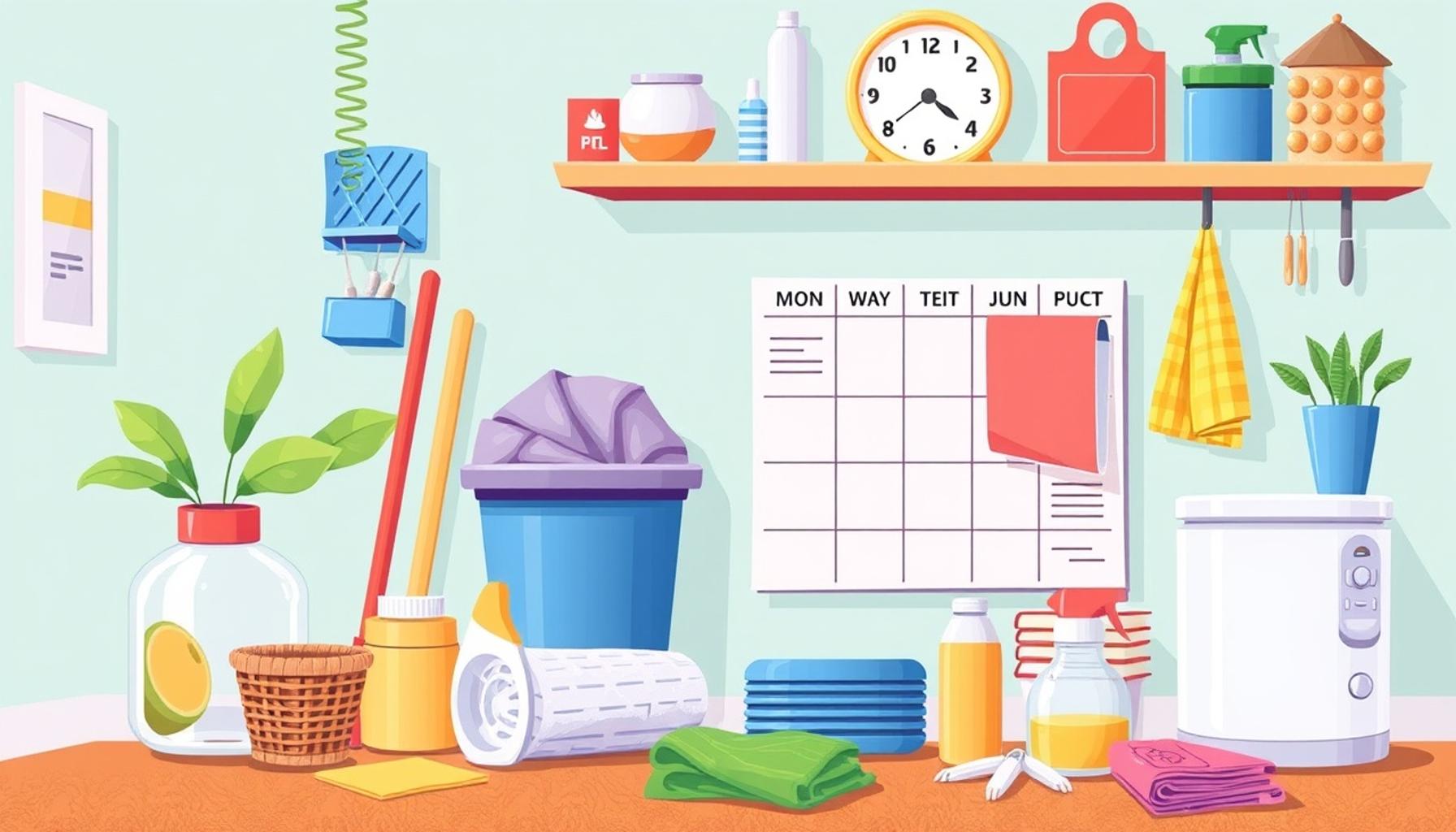
- Weekly and Daily Checklists: Crafting a checklist is a simple yet highly effective way to keep track of your cleaning tasks. Divide tasks into daily, weekly, and monthly categories based on urgency and importance. For instance, daily tasks might include washing dishes and wiping countertops, while more extensive chores like mopping the floors should be scheduled weekly. Keep this checklist in a visible location as a constant reminder of your priorities, allowing for an easy and organized approach to cleaning.
- Time Blocking: Allocating specific time blocks for cleaning can lead to unparalleled efficiency. By designating a set amount of time for particular tasks, you can minimize distractions and enhance focus. For instance, you could choose to spend 30 minutes each morning tackling clutter in common areas or dedicating Saturday afternoons to deep-cleaning your bathrooms and kitchen. This method creates accountability, transforming cleaning into a scheduled event rather than a never-ending chore on your to-do list.
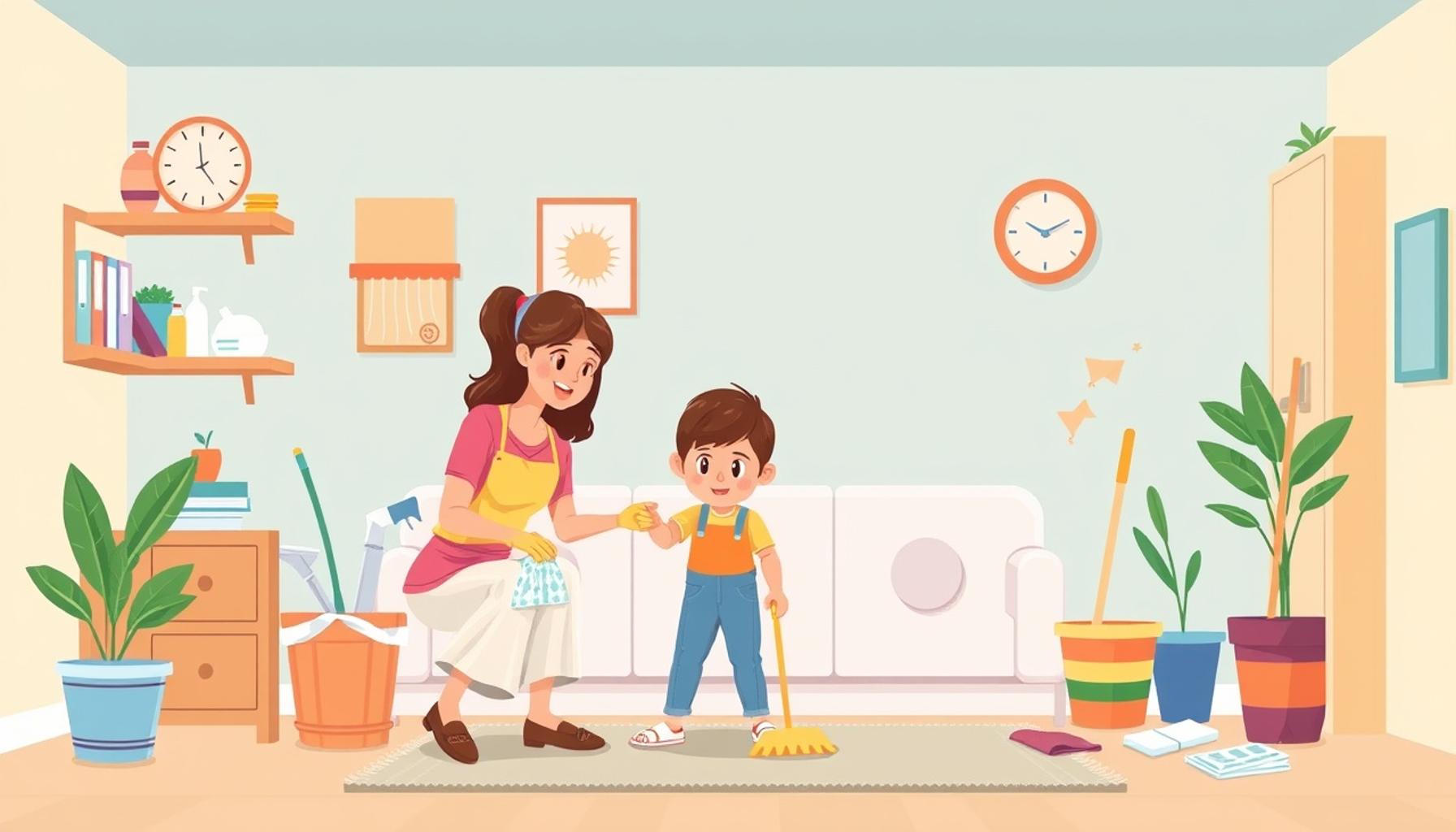
- Incorporate Family Members: If you share your home with family, engaging everyone in the cleaning process can alleviate the burden and allow for better task management. Assign specific areas or tasks to different members, ensuring a smoother and faster cleaning experience. This not only fosters teamwork but instills a sense of responsibility in each family member, leading to an overall improvement in household upkeep. Use charts or apps that allow for tracking progress and holding each other accountable.
- Consider Seasonal Trends: Your cleaning priorities might change with the seasons, influenced by weather and activities common to each time of year. For example, spring cleaning is a tradition that many embrace, offering an opportunity for a thorough decluttering and refresh. Additionally, preparing for seasonal changes—like changing air filters and preparing outdoor spaces for usage—can be integrated into your schedule to ensure readiness and a clean living environment.
It’s crucial to remember that cleaning does not have to be a tedious chore. The integration of new technologies and cleaning tools can significantly enhance your cleaning efficiency. For instance, robotic vacuum cleaners and smart home devices can take some tasks off your plate, allowing you to focus on more critical areas that require your personal attention. Investing in quality cleaning supplies is also essential, as they often yield better results in less time.
By developing a dynamic cleaning schedule that accounts for urgency and importance, you can cultivate a sense of control over your space. This methodical approach not only ensures that your home is clean and organized but also contributes to a healthier and more enjoyable environment for you and your family.
LEARN MORE: Click here for essential cleaning tips
Conclusion
In the quest for a cleaner and more organized home, establishing cleaning priorities through the classification of tasks by urgency and importance is paramount. Understanding which tasks demand immediate attention versus those that can be scheduled for later not only streamlines your cleaning process but also alleviates stress. Effective cleaning schedules that utilize tools such as checklists, time blocking, and family collaboration make the daunting task of housekeeping manageable and efficient.
Embracing seasonal trends can further refine your cleaning priorities, ensuring that your home stays fresh year-round. Additionally, the integration of modern cleaning technologies can revolutionize your approach, allowing you to focus on essential areas that truly require your attention while minimizing time spent on routine tasks.
Ultimately, the cornerstone of establishing cleaning priorities lies in creating a system that works for your lifestyle. By tailoring your cleaning regimen to fit your specific needs and recognizing the dynamic nature of household tasks, you cultivate not only a pristine living environment but also a sense of accomplishment and control. A methodical approach to cleaning transforms it from a chore into a productive and fulfilling aspect of daily life. As you embark on this journey, remember that prioritizing cleaning is not just about aesthetics; it fosters overall well-being, creating a nurturing space for you and your loved ones.

Linda Carter
Linda Carter is a writer specializing in efficient house cleaning and maintenance. With extensive experience helping readers keep their homes clean, organized, and well cared for, Linda shares practical guidance on cleaning routines, household upkeep, stain removal, and time-saving methods. Her goal is to provide simple tips and effective strategies that make home care easier, faster, and more manageable.