How to Create a Sustainable Cleaning Routine: Steps for a More Eco-Friendly Home

Embrace Eco-Friendly Cleaning
As awareness of environmental issues grows, the demand for sustainable cleaning routines has surged. Eco-friendly cleaning is about rethinking the products we use and the methods we rely on, ensuring our habits do not harm our planet or our health. Creating an eco-friendly home doesn’t just contribute to a healthier planet; it can also enhance your living space by making it cleaner, safer, and more inviting. Simple strategies can lead to significant changes that benefit both the environment and your well-being.
There are numerous advantages of adopting a sustainable cleaning routine. Below are some key benefits detailing why this approach is worthwhile:
- Healthier Living Environment: Traditional cleaning products often contain harmful chemicals that can negatively impact your health. By switching to eco-friendly alternatives, you reduce exposure to toxins, promoting better indoor air quality and overall well-being. For instance, using vinegar and baking soda can effectively clean surfaces without introducing harsh chemicals into your home.
- Cost Savings: Many sustainable products and DIY solutions are budget-friendly. For example, making your own all-purpose cleaner with simple ingredients like water, vinegar, and essential oils can save you money that would otherwise be spent on commercial cleaners. Additionally, by using concentrated products or refilling your containers, you further cut costs over time while being mindful of the environment.
- Reduced Waste: Eco-friendly cleaning encourages the use of reusable items over disposable ones. Opting for washable microfiber cloths instead of paper towels not only helps the planet by reducing landfill waste but also minimizes ongoing costs associated with one-time-use products.
With the right steps, you can make cleaning both effective and sustainable. Transitioning to a greener cleaning routine involves various practices, such as selecting green cleaning products, which are often produced without harmful chemicals or synthetic fragrances. Many reputable brands are dedicated to creating environmentally safe products, and options are readily available at your local grocery stores or online. Look for certifications, such as the EPA’s Safer Choice label, to ensure you are making informed choices.
In addition to using eco-friendly products, consider adopting zero-waste habits, such as minimizing plastic use, composting organic waste, and opting for bulk purchases to reduce packaging. By being conscious of your cleaning routine’s impact, you not only maintain a healthier home but also engage in a larger movement towards sustainability.
Every choice you make has the potential to make a difference. Join us as we uncover actionable steps to transform how you clean and live. By being mindful of your cleaning practices, you contribute to a healthier planet and inspire others to follow suit, enhancing a collective effort toward eco-conscious living.
DISCOVER MORE: Click here for efficient cleaning techniques
Start with Sustainable Products
The foundation of any sustainable cleaning routine begins with the products you choose. It’s essential to select cleaning materials that are not only effective but also safe for the environment. Many conventional cleaners contain harsh chemicals that can be detrimental to both your health and the ecosystem. Instead, look for green cleaning products that prioritize eco-friendliness in their production. These products often utilize biodegradable ingredients derived from natural sources, reducing the ecological footprint associated with traditional cleaners.
When shopping for sustainable cleaning supplies, consider these key points:
- Read Labels: Familiarize yourself with product labels. Look for certifications such as the EPA’s Safer Choice label, which indicates that the product meets stringent standards for human health and environmental protection.
- Ingredients Matter: Opt for products that use plant-based ingredients rather than synthetic chemicals. Substances like citric acid, tea tree oil, and hydrogen peroxide can be effective cleaners without posing the same risks as their chemical counterparts.
- Concentrated Solutions: Choosing concentrated cleaning solutions can help reduce packaging waste. These products often require less material for production and allow you to dilute them at home, leading to fewer trips to the store and a minimized carbon footprint.
It’s also beneficial to consider DIY cleaning solutions. Not only are these often less expensive, but they can also be customized to suit your preferences. Recipes for effective cleaners often include common household items such as vinegar, baking soda, and essential oils, all of which can tackle a variety of cleaning tasks. For example, a simple mixture of vinegar and water serves as an excellent glass cleaner, leaving surfaces sparkling without leaving harmful residues.
Incorporate Reusable Cleaning Tools
As part of your commitment to sustainability, make the shift towards reusable cleaning tools instead of disposable options. Single-use items, like paper towels and cleaning pads, contribute significantly to landfill waste. Instead, stock your cleaning kit with durable, washable alternatives.
Consider these eco-friendly tools:
- Microfiber Cloths: These cloths are effective for dusting and cleaning surfaces without the need for chemical cleaners. They can be washed and reused multiple times, significantly reducing waste.
- Reusable Mops and Brooms: Invest in mops with washable pads and brooms that do not rely on disposable heads. These sustainable options not only cut down on waste but also ensure that your cleaning practice remains environmentally friendly.
- Glass and Plastic Spray Bottles: Instead of buying new bottles for each product, use refillable containers. This approach helps minimize plastic use and encourages a cycle of reusing.
By replacing disposable cleaning items with reusable options, you will not only lessen your impact on the environment but also cultivate a more sustainable lifestyle in your home. Every small change contributes to a larger positive effect, creating a ripple effect in your immediate community and beyond.
Creating Your Sustainable Cleaning Routine
Building a sustainable cleaning routine begins with selecting environmentally friendly products that minimize harmful impacts on both your family and the planet. Here are some essential steps to help you establish an effective eco-friendly cleaning regimen that aligns with your values.
1. Choose Natural Cleaning Products
Instead of conventional cleaning solutions filled with harsh chemicals, opt for natural alternatives. Vinegar, baking soda, and essential oils are powerful yet gentle options that can tackle various cleaning tasks around your home. For instance, vinegar can be used to dissolve mineral deposits, while baking soda serves as an effective deodorizer.
2. Reusable Cleaning Tools
Switching to reusable cleaning tools can significantly reduce waste. Invest in washable microfiber cloths instead of disposable wipes, and consider a mop that uses washable pads. These small changes contribute to less landfill waste and promote a more sustainable lifestyle.
3. Rethink Your Cleaning Schedule
Establishing a cleaning schedule not only helps keep your home organized but also allows you to clean in a way that optimizes your resource usage. For example, cleaning windows on a sunny day can help them dry faster, reducing the need for extra water and detergent.
4. Power of Essential Oils
Adding a few drops of essential oils to your cleaning routine not only enhances the scent of your home but can also provide additional antibacterial properties. Oils such as tea tree and lavender have natural antimicrobial qualities, making them excellent companions for your eco-friendly cleaning products.
5. Dispose of Waste Properly
Proper waste disposal is a vital aspect of a sustainable cleaning routine. When you have cleaning supplies that need replacing, ensure you recycle or dispose of them according to local guidelines. Even the containers used for your cleaning products can often be recycled if rinsed out properly.
6. Get the Whole Family Involved
A cleaning routine can be a fun family activity. Encourage everyone to participate, teaching children the importance of sustainability in your home. This not only helps in managing chores but also instills eco-friendly habits in the younger generations.These steps will help transform your cleaning routine into a more sustainable practice. With each small change, you contribute to a healthier home and planet, making a difference that resonates beyond your household.
| Category | Advantages |
|---|---|
| Natural Cleaning Products | Safer for your family and pets, less harmful to the environment. |
| Reusable Cleaning Tools | Reduces waste, offers cost savings over time. |
| Essential Oils | Natural scent enhancements and added antibacterial effects. |
LEARN MORE: Click here to understand task prioritization in household maintenance
Optimize Your Cleaning Technique
Having the right products and tools is only part of establishing a sustainable cleaning routine; optimizing your cleaning techniques can also significantly reduce environmental impact. By adopting efficient methods, you can conserve resources and enhance the effectiveness of your cleaning efforts.
Here are several strategies to consider:
- Clean with Purpose: Instead of cleaning each room of your home with a different product for different surfaces, identify multifunctional cleaners that can handle multiple areas. For example, a biodegradable all-purpose cleaner can work wonders on countertops, stovetops, and even floors. This not only cuts down on the number of products you use but also reduces waste associated with packaging.
- Mind Your Water Usage: Water conservation is crucial in a sustainable cleaning routine. When mopping floors, ensure you are using just enough water to effectively clean, avoiding excess that leads to water waste. Additionally, consider timing your cleaning sessions to coincide with non-peak water usage hours, if applicable in your area.
- Declutter Regularly: A clutter-free home requires less cleaning time and effort. By routinely decluttering your space, you will reduce the overall cleaning workload, allowing for more focused and efficient cleaning. Encourage proper organization and donate items you no longer need instead of throwing them away, promoting reuse.
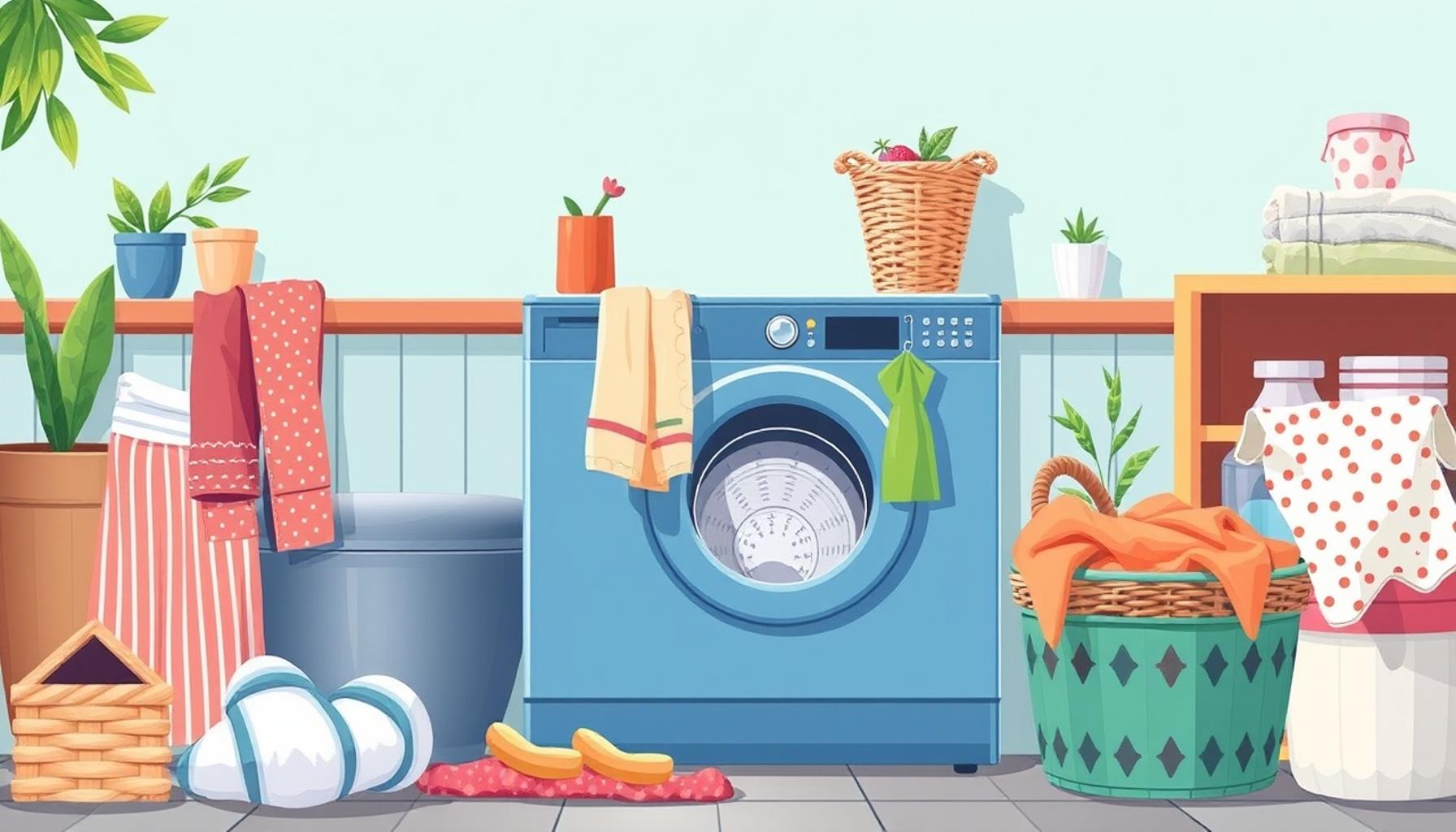
Furthermore, when it comes to laundry, it’s essential to consider the energy and water consumption associated with washing and drying clothes. Here are some insights:
- Washing in Cold Water: Switching to cold water for laundry can save a significant amount of energy. According to the U.S. Department of Energy, up to 90% of the energy used in washing clothes goes toward heating the water. Cold water washing is just as effective for most fabrics and helps to preserve the colors and integrity of your clothes.
- Drying Racks: Instead of relying solely on electric dryers, consider using drying racks during warmer weather. Air drying clothes not only reduces energy usage but can also extend the lifespan of your garments.
Create a Cleaning Schedule
A well-structured cleaning schedule can help maintain cleanliness without placing excessive demands on resources. Scheduling allows you to allocate specific days for different cleaning tasks, minimizing the need for frequent, resource-intensive deep cleans. Here are some tips for effective scheduling:
- Daily Quick Clean: Incorporate short daily tasks, such as wiping down surfaces or tidying up clutter, to maintain a clean environment. This helps prolong the time between deeper cleanings and can lessen the need for powerful cleaning products.
- Weekly Focus: Assign each day of the week a specific cleaning focus. For example, dedicate Mondays to bathrooms, Tuesdays to the kitchen, and Wednesdays to dusting. This method allows for thorough cleaning without overwhelming yourself or consuming excessive resources.
Additionally, consider involving your family members in the cleaning process. By sharing responsibilities, you not only create a sense of community and accountability but also expedite the cleaning routine while collectively fostering a sustainable home environment.
Ultimately, optimizing your cleaning techniques and establishing a consistent routine are essential elements of your sustainable cleaning journey. By integrating mindful practices into your home cleaning, you can effectively reduce waste, conserve resources, and support a healthier planet.
DISCOVER MORE: Click here to learn how to streamline your cleaning routine
Conclusion
Creating a sustainable cleaning routine is more than just a trend; it’s a necessary shift towards a healthier planet and a more eco-friendly home. By optimizing your cleaning techniques and implementing thoughtful practices, you can significantly reduce your environmental footprint. A successful strategy encompasses not only the choice of products but also the way you engage in your daily cleaning tasks. From using multifunctional cleaners to conserving water and organizing your home, each step contributes to a larger commitment to sustainability.
As you fine-tune your routine, consider the profound impact of your choices—like opting for cold water during laundry or embracing air drying methods—that not only save energy but also promote longevity in your clothing. Moreover, creating a cleaning schedule helps distribute tasks evenly, leading to a consistent environment that requires less intensive cleaning overall. This approach not only cultivates a healthier living space but also fosters mindful habits that can positively influence those around you.
It’s essential to remember that sustainability is a journey. Every small change contributes to a collective goal of environmental stewardship. As you embark on this journey, we encourage you to explore further innovations in eco-friendly cleaning and consider sharing your experiences with others. Together, we can build a community dedicated to preserving our planet while enjoying the benefits of a clean and healthy home.

Linda Carter
Linda Carter is a writer specializing in efficient house cleaning and maintenance. With extensive experience helping readers keep their homes clean, organized, and well cared for, Linda shares practical guidance on cleaning routines, household upkeep, stain removal, and time-saving methods. Her goal is to provide simple tips and effective strategies that make home care easier, faster, and more manageable.