Preventive Maintenance for Your Home: How to Spot Issues Before They Become Problems
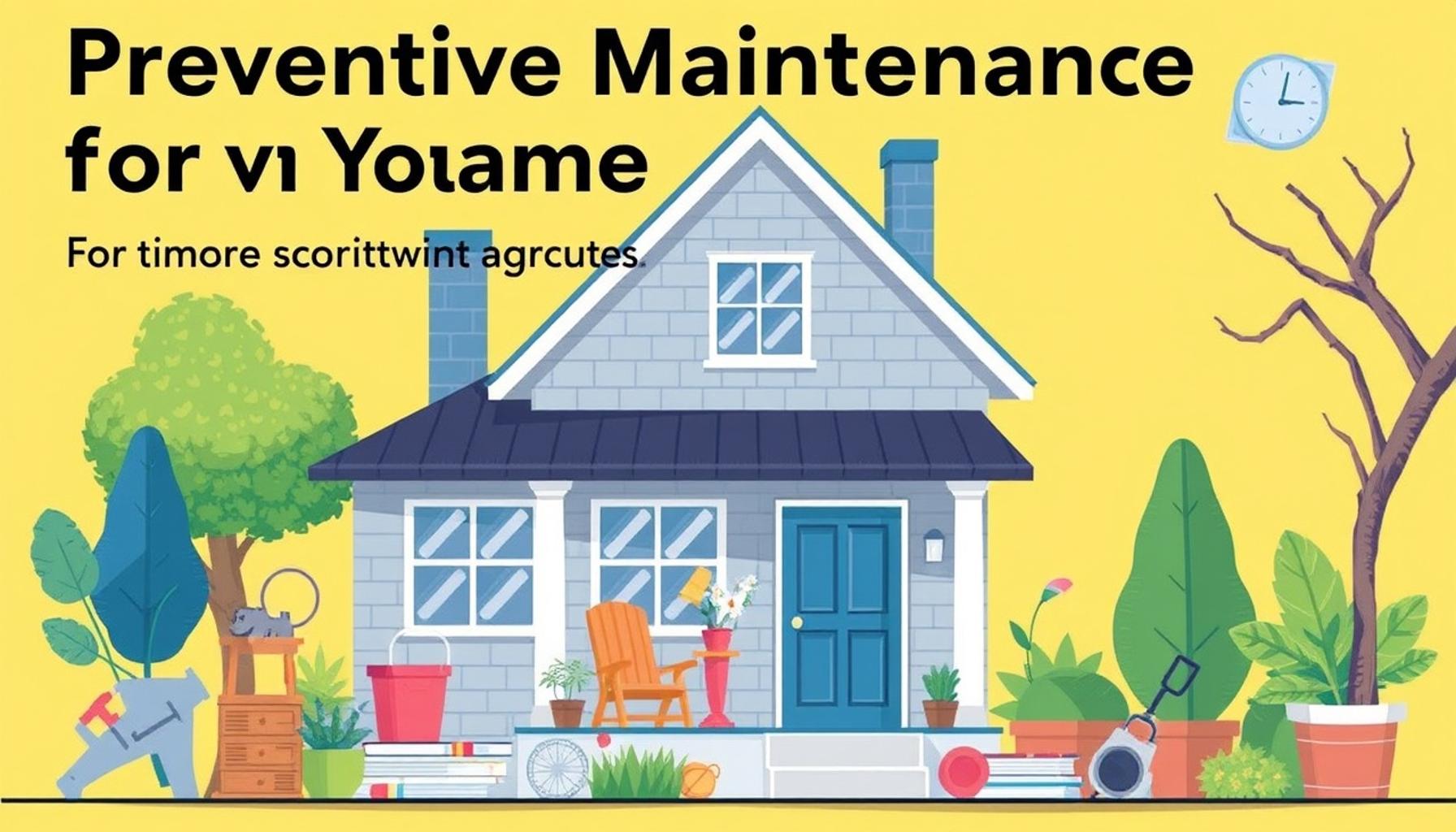
The Value of Proactive Care for Your Home
Your home remains one of your most significant investments, making its upkeep paramount. Among the various strategies to preserve your property, preventive maintenance stands out as a proactive approach that can save you time, money, and stress in the long run. This strategy is anchored in the idea of identifying and addressing potential issues before they develop into costly repairs or unsafe conditions.
Breaking Down Preventive Maintenance
Preventive maintenance refers to a series of routine inspections and maintenance tasks intended to keep your home operating efficiently. Not only does this practice foster a safe living environment, but it also prolongs the lifespan of your property’s systems and structures. Here are essential components to consider:
- Regular Inspections: Conduct periodic checks for signs of water leaks, roof damage, and pest infestations. For instance, it’s vital to inspect your roof at least twice a year, especially in regions prone to heavy rains or snow, like the Northeast or Pacific Northwest.
- Seasonal Maintenance: Preparing your heating system before winter and your air conditioning unit before summer can significantly improve energy efficiency. This preparation may involve tasks such as changing air filters and ensuring that outdoor units are free of debris.
- Gutter Cleaning: Clearing debris from gutters is essential to prevent water damage and foundation issues. Clogged gutters can cause water to overflow, leading to flooding in basements or erosion around your home’s foundation.
Neglecting these minor yet critical tasks can lead to dire consequences, like mold growth or significant structural damage. To stay ahead, consider these preventive measures:
- Scheduled Check-Ups: Establishing a maintenance calendar can help you keep track of inspections and upkeep tasks necessary throughout the year.
- Professional Help: Hiring licensed professionals for complex jobs, such as plumbing, roofing, or electrical work, not only saves you time but also ensures the job is done right and meets local codes.
- DIY Skills: Learning basic home repair skills through online tutorials or workshops can empower you to address minor issues immediately, reducing the risk of escalated repairs.
Ultimately, by being proactive about maintenance, you not only protect your investment but also create a safer and more comfortable living environment for you and your family. As we continue, we will delve deeper into specific home areas where effective preventive maintenance can yield significant benefits, ensuring your residence continues to be a sanctuary for years to come.
DISCOVER MORE: Click here to learn how batching can enhance your routine
Identifying Critical Areas for Preventive Maintenance
Effective preventive maintenance starts with an understanding of where issues are most likely to arise in your home. Neglecting specific areas can lead to significant problems down the line, potentially costing you thousands of dollars in repairs. Here are some critical zones in your home to keep an eye on:
1. HVAC Systems
Your heating, ventilation, and air conditioning (HVAC) systems are vital for maintaining a comfortable environment, but they require regular attention. It’s recommended to have your HVAC system serviced at least once a year. This includes checking the furnace or boiler before winter and the air conditioning system before summer. Neglecting these checks can reduce efficiency and lead to unexpected breakdowns during extreme weather.
- Change Filters Regularly: Clogged filters not only hinder airflow but can also lead to overheating and costly repairs.
- Inspect Ductwork: Look for signs of wear or leaks, which can result in energy loss and increased bills.
- Check Thermostat Calibration: An improperly calibrated thermostat can cause your HVAC system to run longer than necessary.
2. Plumbing Systems
Water leaks not only waste resources but can also lead to more serious issues like mold growth and structural damage. Regular plumbing checks should not be overlooked. Watch for indications of trouble, such as:
- Water Stains: Look for discoloration on ceilings and walls, indicating leaks in pipes above.
- Low Water Pressure: A sudden change in pressure can hint at hidden leaks or blockages.
- Unpleasant Odors: Bad smells coming from drains may signify sewer line issues or clogs.
3. Exterior Maintenance
The exterior of your home is the first line of defense against the elements and requires diligent care. Regularly inspecting your property’s exterior can reveal issues such as:
- Roof Integrity: Look for missing shingles, cracks, or discoloration that could indicate water intrusion.
- Siding Damage: Peeling paint or warped panels can suggest the need for repairs, which prevent further damage to your home’s structure.
- Drainage Issues: Ensure that downspouts direct water away from the foundation to avoid basement flooding and erosion.
By identifying these critical areas and addressing them promptly, you are far less likely to face severe problems in the future. Remember, the goal of preventive maintenance is not merely to fix issues but to enhance the longevity and value of your home. In the upcoming sections, we will explore practical checklists and maintenance schedules that can simplify this process, ensuring your home remains a safe and comfortable haven for your family.
Preventive Maintenance Strategies
Implementing effective preventive maintenance strategies is paramount for homeowners who wish to avert costly repairs and ensure the safety and comfort of their living spaces. By regularly inspecting and maintaining key areas of your home, you can identify potential problems early on and address them before they escalate. This proactive approach not only extends the lifespan of your home but also enhances its overall value.
One of the most critical aspects of preventive maintenance is establishing a routine inspection schedule. Homeowners should consider checking essential systems, including plumbing, electrical, roofing, and HVAC, at least twice a year. For instance, inspecting the roof for missing shingles or leaks is vital, especially after severe weather events, as undetected issues can lead to significant water damage.
Additionally, performing routine maintenance tasks such as cleaning gutters, servicing heating and cooling systems, and testing smoke detectors can significantly reduce the risk of emergencies. Debris accumulation in gutters can lead to water overflow and foundation damage, while serviced HVAC systems operate more efficiently, saving on energy costs.
Another effective strategy is keeping an eye on common household signs of wear and tear. Cracks in walls, water stains on ceilings, and strange odors can all point to larger underlying issues. Homeowners should document any irregularities and investigate promptly to mitigate future risks. Furthermore, considering seasonal changes is essential; for example, during winter, ensuring pipes are insulated can prevent freezing and bursting, which are needless inconveniences and annoying repairs.
Incorporating technology into preventive maintenance can also yield significant benefits. Consider using smart home devices that monitor moisture levels, temperature changes, and even energy usage. These can provide alerts for potential issues, giving homeowners the chance to act before problems develop.
Be proactive today to avoid stress tomorrow. By committing to a comprehensive preventive maintenance plan, you ensure your home remains a safe and welcoming environment for years to come.
| Category | Key Features |
|---|---|
| Routine Inspections | Regular checks on plumbing, roofing, and electrical systems. |
| Seasonal Maintenance | Winterization of plumbing and HVAC servicing. |
| Monitoring Technology | Smart devices for detecting moisture and energy usage. |
DON’T MISS: Click here for tips on optimizing your space
Creating a Comprehensive Maintenance Checklist
To effectively manage the preventive maintenance of your home, having a detailed checklist can serve as your guiding light. It not only helps in organizing tasks but also ensures that no critical area is overlooked, allowing you to spot potential issues before they escalate. Here’s how to craft a tailored maintenance schedule:
1. Seasonal Maintenance Tasks
Breaking down your maintenance tasks by season can simplify the workflow. Each season poses unique challenges and opportunities for inspection. Consider the following:
- Spring: Focus on cleaning gutters and downspouts, inspecting your roof for winter damage, and servicing your air conditioning system in preparation for warmer months.
- Summer: This is the perfect time for exterior painting, deck or patio inspections, and ensuring that your irrigation systems are functioning properly to combat the heat.
- Fall: Prepare for winter by checking insulation in attics and basements, flushing out your water heater, and ensuring your heating systems are ready.
- Winter: Look out for ice dams and ensure that heating elements are operational. Inspect windows and doors for drafts, which can lead to higher heating costs.
2. Indoor Maintenance Insights
When it comes to the interior of your home, regular checks can significantly reduce the risk of larger issues. Factors such as humidity, air quality, and even pests need monitoring:
- Humidity Control: Keeping indoor humidity levels between 30-50% can prevent mold growth and reduce allergens. Use dehumidifiers in damp areas, like basements.
- Pest Inspections: Periodically check for signs of pests or termites inside your home. Early detection can save you from costly pest control services and property repairs.
- Smoke and Carbon Monoxide Detectors: Test these devices monthly and change batteries at least once a year. This precaution can be life-saving.
3. Record Keeping and Monitoring
Another aspect of effective preventive maintenance is keeping a thorough record of inspections, repairs, and maintenance tasks. Maintain a dedicated folder or digital system with the following:
- Receipts and Warranties: Organize all pertinent documents to facilitate warranty claims on appliances or repairs, and keep track of maintenance history.
- Inspection Logs: Document timelines of inspections and repairs for various systems in your home. This not only tracks performance but also highlights recurring issues.
- Future Upgrades: Create a wishlist of updates or energy-efficient improvements you could consider. This forward-thinking approach can help you budget for enhancements that boost your property value.
Implementing a well-structured checklist allows you to maintain your home proactively rather than reactively. Observing and maintaining your home does not have to feel daunting; by breaking the tasks into manageable segments and keeping detailed records, you empower yourself to effectively manage your property. As we progress, we will discuss tools and resources that can further simplify your maintenance journey, enhancing your home’s longevity and safety.
LEARN MORE: Click here to discover more
Conclusion
In conclusion, preventive maintenance is not merely a guideline but a crucial practice that safeguards your home from potential disasters and costly repairs. By becoming proactive rather than reactive, homeowners can significantly enhance their property’s longevity and value. Establishing a well-structured maintenance checklist that incorporates seasonal tasks, indoor inspections, and diligent record-keeping can empower you to stay ahead of potential issues. Regularly monitoring your home’s systems and surroundings not only ensures safety but also fosters a sense of responsibility towards your living environment.
Furthermore, the knowledge gained from identifying early signs of wear can lead to more informed decisions about repairs and upgrades. As the seasons change, so do your home’s needs; embracing these shifts allows you to prepare more effectively, mitigating risks associated with weather extremes and environmental changes.
Remember, preventive maintenance is an ongoing commitment. Investing a little time and effort into maintaining your home can save you significant money in the long run and keep your living space comfortable and secure. Engaging with resources and tools designed for home maintenance can enhance this journey, transforming a daunting task into a manageable routine. Ultimately, by adopting a proactive approach, you can enjoy peace of mind knowing that your family and investment are well protected from unforeseen challenges.

Linda Carter
Linda Carter is a writer specializing in efficient house cleaning and maintenance. With extensive experience helping readers keep their homes clean, organized, and well cared for, Linda shares practical guidance on cleaning routines, household upkeep, stain removal, and time-saving methods. Her goal is to provide simple tips and effective strategies that make home care easier, faster, and more manageable.