Smart Technology in House Cleaning: The Rise of Automated Cleaning Devices
The Rise of Smart Cleaning Devices
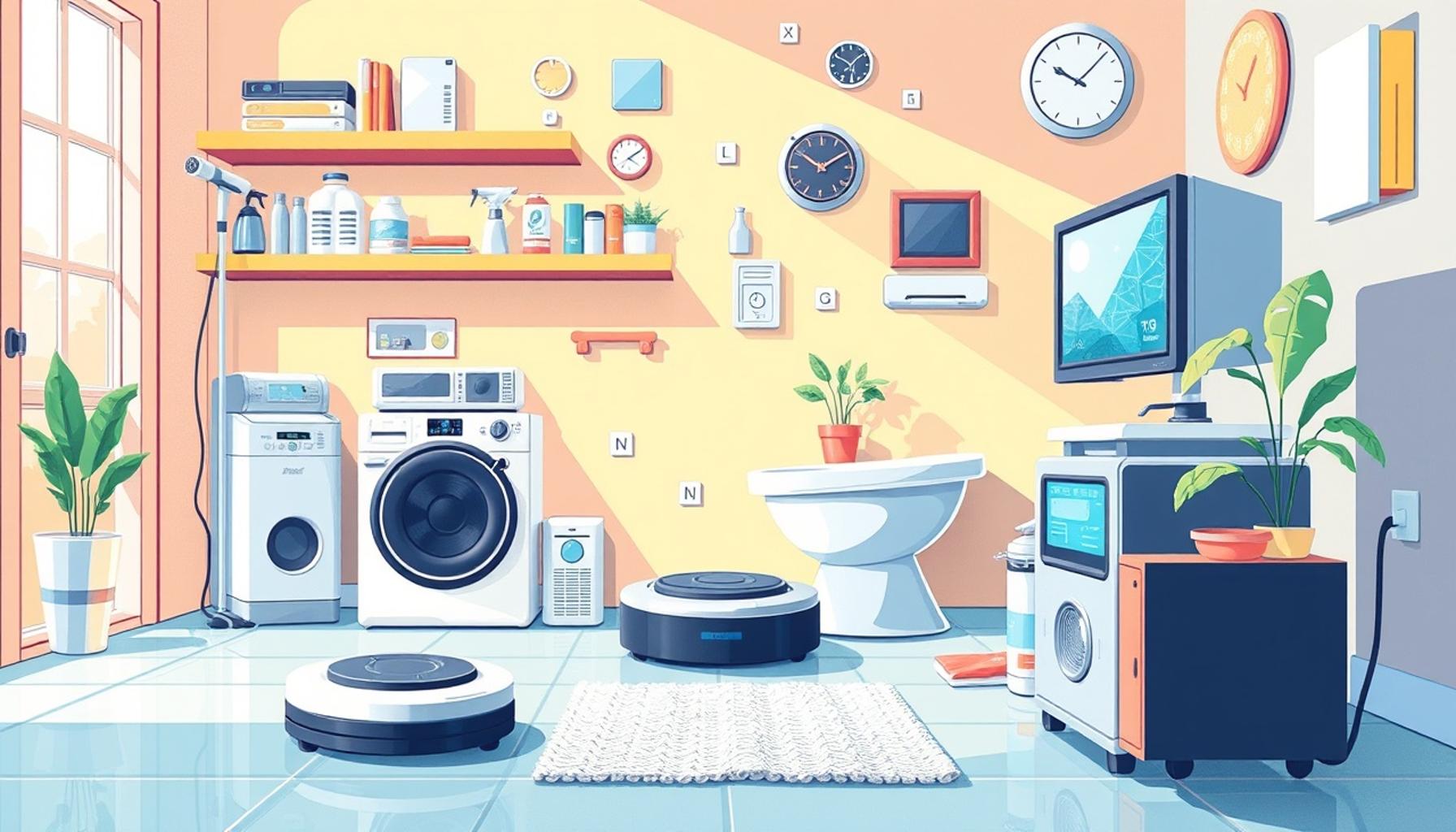
In recent years, the landscape of household cleaning has undergone a remarkable transformation with the advent of smart technology. Automated cleaning devices, such as robot vacuums and smart mops, have become invaluable additions to modern homes, making cleaning tasks less laborious and more efficient. The emergence of these gadgets not only reflects a shift in consumer preferences but also highlights broader technological advancements that enhance our daily routines. As we delve deeper into this evolution, it is crucial to examine the various ways these innovations have improved the quality of our lives.
Convenience Redefined
One of the most significant benefits of automated cleaning devices is the unparalleled convenience they offer. For many families juggling work, children, and other responsibilities, finding time to thoroughly clean the house can be a daunting challenge. Devices like the iRobot Roomba and Ecovacs Deebot allow users to schedule cleanings at their convenience, often through mobile apps. For example, a busy professional can have their home vacuumed while they’re at work, returning to a cleaner environment without lifting a finger.
Superior Efficiency
Beyond convenience, these devices also bring forth improved efficiency through advanced technology. Many models are equipped with sophisticated navigation systems that utilize mapping and sensor technology to ensure comprehensive cleaning. For instance, vacuum cleaners like the Roborock S6 employ LiDAR for precise room navigation, allowing for systematic cleaning patterns that minimize the chances of missing spots. Numerous users claim that these intelligent cleaning solutions do a better job of maintaining cleanliness than traditional manual cleaning methods.
Seamless Integration with Smart Home Systems
The interoperability of automated cleaning devices with existing smart home systems represents another crucial advancement. A device that communicates with other aspects of the home can optimize cleaning routines. For example, integration with voice assistants such as Amazon Alexa or Google Assistant allows users to start cleaning cycles with simple voice commands, eliminating the need to find and operate a separate remote or app. This level of integration not only simplifies the user experience but also creates opportunities for customization, such as setting specific cleaning schedules based on homeowner preferences.
The trend toward automated cleaning is particularly pronounced in the United States, where surveys indicate a growing acceptance and enthusiasm for these technologies. As more households seek to streamline their cleaning processes, market studies predict that the automated cleaning device sector will witness substantial growth in the years to come. This increasing demand reflects a cultural shift toward embracing technology to facilitate daily chores, making it an interesting area for further exploration.
While the benefits are compelling, it is also important to consider potential challenges. Issues such as pricing, maintenance costs, and limitations in certain environments (like homes with pets or uneven surfaces) can impact user experience. However, as technology continues to evolve and improve, these challenges are likely to be addressed in future iterations. Join us as we uncover more about the world of smart cleaning technology, discussing its implications and what lies ahead in redefining cleanliness in the modern home.
DISCOVER MORE: Click here to learn about steam cleaning benefits
Transforming Household Chores
The incorporation of smart technology into house cleaning has not only redefined the cleanliness of our living spaces but also fundamentally altered the way we approach daily chores. With a diverse range of automated cleaning devices now available, from robotic vacuum cleaners to smart mops and air purifiers, homeowners are experiencing a level of transformation that was previously unimaginable. This transition has placed a premium on time-saving solutions without compromising quality. The question arises: what drives the adoption of these devices, and how are they changing the game for homeowners across the United States?
Affordability and Accessibility
As the market for automated cleaning devices grows, manufacturers are responding to consumer demand by creating a variety of products at differing price points. Previously perceived as luxury items, robotic vacuums have seen significant price reductions, making them increasingly accessible to the average American consumer. Today, consumers can find reliable options ranging from $200 to upwards of $1,000 depending on features. This wide price spectrum makes it feasible for a diverse demographic to enjoy improved cleaning solutions.
- Entry-Level Models: Affordable robotic vacuums with basic features such as scheduled cleaning and manual controls.
- Mid-Range Devices: Enhanced navigation and suction power, ideal for standard cleaning needs.
- Premium Devices: High-end features such as mapping technology, smart home integration, and advanced filtration systems.
Addressing Daily Challenges
Automated cleaning devices are particularly adept at addressing common household challenges. For instance, households with children and pets often find that their floors require frequent cleaning. Automated devices can easily tackle spills, crumbs, and pet hair, allowing users to maintain a tidy living space with minimal effort. Furthermore, smart mops that use advanced technologies can provide deep-cleaning solutions that are far more effective than traditional methods, ensuring that all areas, including tricky corners and under furniture, get the attention they need.
Enhanced Health and Hygiene
In a time when health and hygiene have taken center stage, the demand for cleaner living environments is more crucial than ever. Many smart cleaning devices feature HEPA filters and specialized cleaning solutions that capture allergens, dust, and microbes, making them an ideal choice for families with allergies or respiratory issues. By utilizing these technologies, households are not simply removing visible dirt; they are also actively promoting a healthier living space for their loved ones. The resulting peace of mind is an essential asset for many homeowners.
As we continue to explore the world of automated cleaning devices, it becomes clear that these innovations are not just about convenience. They represent a substantial shift in how we perceive and manage household responsibilities. With advantages ranging from affordability to enhanced hygiene, it is evident that smart cleaning devices are becoming a staple in modern American homes, adapting to meet the ever-evolving needs of consumers.
| Advantages | Description |
|---|---|
| Time Efficiency | Automated cleaning devices, such as robotic vacuums, work independently, allowing homeowners to multi-task while cleaning occurs. |
| Enhanced Cleaning Performance | With advanced sensors and technology, these devices often outperform traditional methods, reaching areas that are hard to clean. |
| Cost-Effective | Investing in automated cleaning devices can reduce the costs of hiring professional services in the long run, providing a smart and economical solution. |
| Convenience | With a mobile app control, users can schedule cleaning sessions from anywhere, making house cleaning easy and hassle-free. |
| Smart Features | Integration with smart home systems allows these devices to adapt to user preferences and update cleaning routes intelligently. |
The rise of automated cleaning devices is not just a trend; it signifies a transformative shift in the way we perceive and execute household cleaning. With their cutting-edge technology, these devices can navigate complex living areas, engage with users through voice commands, and complete tasks more efficiently. This marks a significant advancement in household management, paving the path for more liberated living. Furthermore, the diverse functionalities of these devices, from vacuuming to mopping, reflect a commitment to a cleaner and healthier living space. As consumers become increasingly inclined towards smart solutions, exploring the various options available in the market can offer deeper insights into how these devices can be tailored to individual cleaning needs and lifestyles.
LEARN MORE: Click here for insights on recycling materials
The Future of Automation in Household Cleaning
As advancements in smart technology continue to revolutionize various aspects of our lives, the realm of automated cleaning devices is no exception. Innovations such as artificial intelligence (AI) and machine learning are bringing about the next generation of cleaning solutions, elevating efficiency and functionality to unprecedented levels. This evolution prompts an exciting inquiry: what future developments can we anticipate, and how might they redefine the landscape of household cleaning even further?
Advancements in Artificial Intelligence
Robotic vacuums have evolved significantly over the past few years, largely due to the integration of AI technology. Modern robotic cleaners can now not only map out the layout of a home but also learn and adapt to different cleaning patterns and preferences of the homeowners. For instance, devices such as the iRobot Roomba i7+ and Roborock S7 utilize sophisticated algorithms to create a virtual blueprint of the home, allowing them to navigate more efficiently and avoid obstacles.
This means the days of random, scattershot cleaning are fading. With ongoing software updates, these devices become smarter over time, learning to tackle the most high-traffic areas or scheduling cleanings based on when residents are typically out of the house. This enhancement in automation positions smart cleaning devices as adaptable members of the household, rather than just appliances.
Integration with Smart Home Ecosystems
As consumers increasingly invest in smart home ecosystems like Google Home or Amazon Alexa, automated cleaning devices are being designed to seamlessly integrate with these platforms. This connectivity promotes inter-device communication and synchronization, granting users control over numerous smart appliances from a central point.
Imagine commanding your robotic vacuum to start cleaning with a voice command while you prepare dinner. Furthermore, integration with home security systems adds another layer of convenience; users can receive notifications if their cleaning device detects an anomaly, such as movement during operation. This blend of cleaning efficiency and enhanced home monitoring is appealing for tech-savvy homeowners looking to optimize their living environments.
Environmental Considerations and Sustainability
There’s an increasing awareness of sustainability in the tech industry, and automated cleaning devices are no exception. Many manufacturers are now taking strides to create eco-friendly models that use less energy and employ recyclable materials. Devices like the Ecovacs Deebot Ozmo T8 AIVI are equipped with features that not only clean efficiently but also minimize their carbon footprint.
Moreover, the capacity of smart vacuums to optimize their cleaning schedules translates directly into reduced energy usage. By efficiently determining cleaning routes and required battery power, they offer an environmentally conscious alternative to traditional cleaning practices—which may rely on less efficient, energy-consuming methods.
Customization and User Experience
Another trend driving the rise of automated cleaning devices is the emphasis on user experience. Advanced models are featuring customizable options that allow homeowners to create unique cleaning schedules tailored to their specific needs. For example, some devices now allow users to designate particular rooms for cleaning or set virtual no-go zones, ensuring that their cleaning robots do only the areas they desire.
This focus on personalization extends to the application interfaces of these devices, making them more user-friendly and intuitive. Users are now also able to monitor cleaning progress and receive maintenance notifications directly on their smartphones, contributing to a seamless, integrated experience. Such advancements are marrying cutting-edge technology with user-centric design—transforming mundane house cleaning into a more delightful, efficient task.
DISCOVER MORE: Click here to enhance your cleaning strategy
Conclusion: Embracing the Future of Cleaning
The integration of smart technology into house cleaning, particularly through automated cleaning devices, is not merely a passing trend but a significant shift in how we approach household maintenance. With the impressive advancements in artificial intelligence, these devices have transcended their traditional roles, evolving into intelligent assistants that adapt to our lifestyles, preferences, and unique home environments. As we embrace smart home ecosystems, the synergy between different devices fosters an unprecedented level of convenience, enabling seamless control and enhanced monitoring of our living spaces.
Moreover, the focus on sustainability and eco-friendly models demonstrates the industry’s commitment to reducing its carbon footprint while still delivering high-performance cleaning solutions. With optimal energy usage and the incorporation of recyclable materials, automated cleaning devices align with the growing demand for environmentally responsible technology.
As consumers seek customizable user experiences tailored to their specific needs, the future of automated cleaning looks promising. With every new model introduced, manufacturers are not only enhancing cleaning efficiency but are also prioritizing user-friendly designs that make housekeeping more enjoyable.
In conclusion, the rise of smart technology in house cleaning signifies a bold step towards a more efficient, convenient, and environmentally conscious way of managing our homes. As we look ahead, it invites us to imagine how automated cleaning devices might continue to transform our daily lives. This journey into automation presents a world ripe with possibilities, encouraging homeowners to fully explore these remarkable innovations and the elevated standards of living they bring.

Linda Carter
Linda Carter is a writer specializing in efficient house cleaning and maintenance. With extensive experience helping readers keep their homes clean, organized, and well cared for, Linda shares practical guidance on cleaning routines, household upkeep, stain removal, and time-saving methods. Her goal is to provide simple tips and effective strategies that make home care easier, faster, and more manageable.