
Integrating Family Involvement: Strategies for Collaborative Housekeeping
Why Participation in Housekeeping Matters
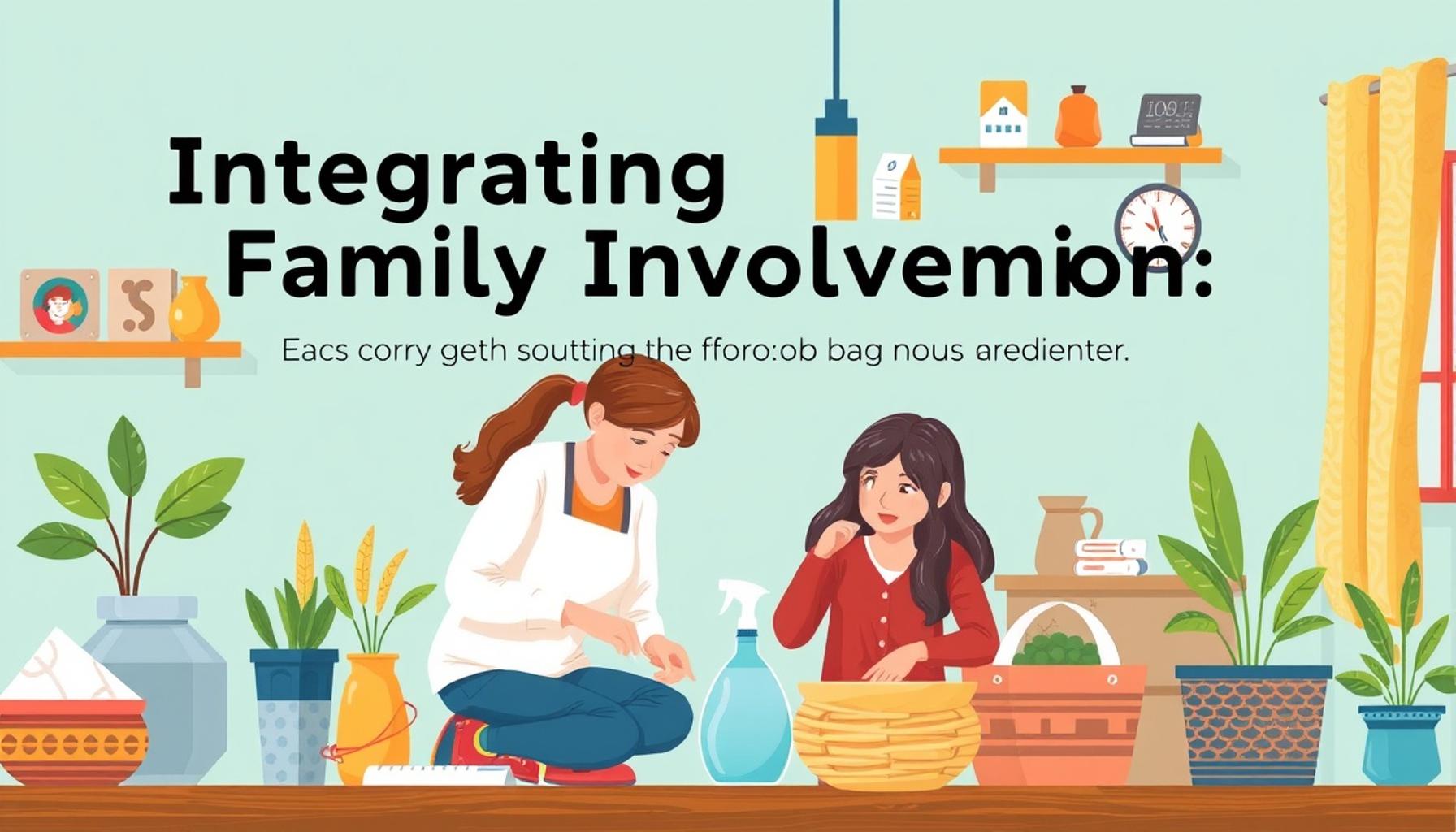
Housekeeping, while often relegated to the background of family life, plays a pivotal role in maintaining harmony and functionality within the home. It involves daily tasks that, when approached collaboratively, can teach invaluable life skills and foster a sense of belonging among family members. By recognizing the significance of shared household responsibilities, families can enhance communication and connection, making everyday chores not just a necessity, but a shared experience that strengthens their bonds.
Strategies for Effective Family Involvement
Integrating family members into housekeeping can create a more cohesive living environment. Here are some essential strategies that can make the process more inclusive and engaging:
- Open Communication: Having candid discussions about household chores is crucial. When each family member clearly understands their responsibilities and feels comfortable voicing their opinions or preferences, it significantly reduces the chances of misunderstandings. For example, a family meeting can be a great way to explore everyone’s ideas about how tasks should be divided, and which chores each person prefers.
- Shared Responsibilities: Delegating tasks based on family members’ unique strengths, interests, or schedules leads to a more effective division of labor. For instance, if one child enjoys cooking while another prefers organizing, assigning them respective roles not only enhances efficiency but also boosts their motivation to contribute.
- Incorporate Fun: Transforming mundane chores into enjoyable activities can stimulate excitement. Families might create a weekly cleaning competition where everyone races to see who can complete their assigned chores the fastest or play music during tidy-up time to create a lively atmosphere. This approach turns chores into opportunities for laughter and teamwork, making responsibilities feel less like a burden.
- Establish Routines: Implementing structured schedules instills a sense of reliability among family members. For instance, designating specific days for laundry, dusting, or grocery shopping can help everyone know what to expect and prepare accordingly, removing any last-minute delays or conflicts.
- Recognize Contributions: Celebrating small achievements can spark a sense of accomplishment in family members. Whether it’s through a simple ‘thank you’, a reward chart, or a family dinner to honor everyone’s hard work, this recognition can serve as a powerful motivational tool, encouraging continued participation.
By focusing on these strategies, families can redefine household chores as collaborative endeavors rather than tedious tasks. Engaging everyone in the process not only streamlines housekeeping but also carves out opportunities for family bonding and learning. As families participate in these shared responsibilities, they cultivate a supportive environment and develop critical skills that extend beyond the home, ultimately creating a sense of unity and collective pride in their living space.
DISCOVER MORE: Click here to learn about steam cleaning
Engaging Family Members in Collaborative Housekeeping
Integrating family involvement in housekeeping transcends the mundane act of cleaning; it cultivates a shared responsibility that can enhance familial bonds and teach essential life skills. In an age where many families juggle hectic schedules, finding a way to make housekeeping a collaborative effort can yield profound benefits for both the home environment and family dynamics. To effectively embrace this collaborative model, it is crucial to recognize the various dimensions of participation that can be tailored to suit the unique structure of each family.
Understanding the Importance of Contribution
When family members actively engage in housekeeping tasks, they not only contribute to a cleaner living space but also partake in a sense of ownership over their home. This contribution can significantly impact a family member’s self-esteem and responsibility levels. Research shows that children who participate in household chores grow up to be more self-sufficient and capable, understanding the value of teamwork and the importance of maintaining their surroundings. By fostering a culture of shared responsibility, families can unlock these developmental advantages.
Crafting an Inclusive Housekeeping Plan
To ensure a successful integration of family involvement in housekeeping, consider the following key components that can form the foundation of an inclusive housekeeping plan:
- Assess Individual Abilities: Understanding each family member’s capabilities is crucial when delegating tasks. Young children may be assigned simple chores like sorting laundry, while older kids and adults can handle more complex jobs like cooking or deep cleaning. Tailoring responsibilities to match individual maturity levels ensures that everyone feels competent and involved.
- Encourage Input and Flexibility: Empowering family members to voice their preferences fosters a sense of agency. For instance, allowing children to choose which chores they prefer to tackle can lead to higher engagement. Furthermore, being flexible in deadlines or chore execution ensures that tasks accommodate everyone’s busy schedules, making participation more feasible.
- Utilize Technology: In a tech-savvy age, families can leverage various apps designed for chore management. Tools such as family calendars or task management apps can help organize responsibilities and send reminders, thus minimizing conflicts over who does what and when.
- Incorporate Educational Elements: Use housekeeping tasks as opportunities for teaching moments. For instance, cooking can become a platform for nutritional education, while cleaning can incorporate practices about recycling and sustainability. These lessons can transform routine chores into interactive learning experiences.
By developing a structured approach to family involvement in housekeeping, families can not only streamline their responsibilities but also create an enriching environment that promotes cooperation. Each strategy outlined above emphasizes the inherent value of teamwork, allowing family members to experience the satisfaction of contributing to a harmonious home. As families harness the power of collaboration, they ultimately pave the way for lasting relationships and strong foundations that extend well beyond the walls of their home.
| Advantage | Explanation |
|---|---|
| Enhanced Communication | Involving family members in housekeeping promotes frequent dialogues, addressing tasks and responsibilities directly. |
| Shared Responsibilities | Distributing chores encourages teamwork and ensures that no one feels overwhelmed by household duties. |
| Skill Development | Collaborative housekeeping allows family members, especially children, to learn valuable life skills essential for independence. |
| Strengthening Bonds | Participating in household chores together can foster deeper relationships and teamwork among family members. |
| Boosting Morale | A collaborative approach to housekeeping can enhance overall family morale by creating a sense of accomplishment. |
Integrating family involvement into housekeeping strategies offers the potential to not only enhance daily routines but also to build a thriving family dynamic. Engaging everyone in the process not only streamlines chores but also cultivates a stronger family foundation. As families adopt these collaborative strategies, they can witness a marked improvement in their collective mindset towards home upkeep, ultimately promoting a happier living environment. Start exploring these innovative methods today to transform the way your family approaches household responsibilities.
DISCOVER MORE: Click here to find out how to create an effective reward system
Transforming Housekeeping into a Shared Family Experience
When families shift the perception of chores from mundane obligations to shared experiences, they can transform the dynamics of their home. Collaborative housekeeping can serve as a platform for building relationships, enhancing communication skills, and fostering teamwork. By embedding fun and creativity into the household routine, families can cultivate an environment where every member feels valued and engaged. Here are some innovative strategies to further enrich family involvement in housekeeping.
Gamifying Housekeeping Tasks
Introducing a game-like element to housekeeping can significantly boost motivation among family members. Consider developing a friendly competition around chores where family members earn points for completed tasks, which can then be redeemed for rewards such as a movie night or extra screen time. For example, a system that tracks points through a visual chore chart or a shared app can stimulate engagement. Research indicates that gamified tasks not only enhance motivation but also make tedious chores more enjoyable and rewarding. Families can also introduce theme nights where cleaning aligns with a creative theme, such as a “Tidy Up Dance Party,” where music plays to energize the atmosphere.
Scheduling Family Cleaning Days
Designating specific days for family cleaning can reinforce teamwork. By scheduling a regular family cleaning day—be it once a week or monthly—everyone knows when to contribute. This also gives families the opportunity to plan around busy schedules and prepare for communal bonding. For instance, a Saturday morning spent cleaning followed by a family brunch can create a celebratory atmosphere. Family meetings to discuss the cleaning schedule can also open channels for communication and negotiation on who does what and when, hence reinforcing democratic values within the household.
Creating a Cleaning Playlist
Music can be a powerful motivator. Crafting a cleaning playlist that features each family member’s favorite songs can make chores feel less like a chore. Research from the University of Illinois indicates that engaging with music while working can improve mood and productivity. Families can spend time together curating this playlist, paving the way for a shared sense of ownership and setting the tone for a more enjoyable cleaning environment.
Highlighting Accomplishments with Family Rewards
Acknowledging and celebrating accomplishments in housekeeping can foster a sense of achievement. Families might consider initiating “Housekeeping Awards” with categories such as “Most Creative Organizer” or “Best Team Player,” promoting a culture of positivity and recognition. This practice not only elevates family morale but also inspires continued collaboration. By publicly recognizing individual contributions, parents can effectively reinforce the value of teamwork and effort in maintaining a clean and organized home.
Encouraging Cultural Traditions through Cleaning
Families can harness cleaning activities to celebrate cultural traditions. Incorporating themes like spring cleaning with stories from the past, or engaging kids in preparing holiday decorations can deepen their understanding of cultural significance while maintaining a clean environment. Activities such as prepping for Thanksgiving or preparing the home for the Lunar New Year can be woven into the fabric of collaborative housekeeping, providing a backdrop for educational conversations and family bonding.
With such adaptable strategies, families can create a culture of involvement in housekeeping that is not only efficient but deeply fulfilling. Integrating these strategies fosters a sense of belonging and strengthens family unity, ultimately transforming the once-dreaded chores into cherished moments of togetherness.
DISCOVER MORE: Click here to learn about effective tools
Conclusion: Building Bonds through Collaborative Housekeeping
Integrating family involvement in housekeeping goes beyond the mere completion of chores; it is an opportunity to strengthen family relationships and enrich the home environment. The strategies discussed—such as gamifying tasks, scheduling family cleaning days, and creating personalized cleaning playlists—serve as powerful tools for transforming boring routines into engaging activities. By fostering a culture of collaboration, family members not only contribute to a cleaner home but also develop essential life skills including teamwork, communication, and time management.
Additionally, emphasizing achievements through rewards and incorporating cultural traditions during housekeeping can deepen connections and instill a sense of pride within the family unit. Such practices remind family members of the value each person brings to the household and reinforce the importance of working together towards common goals.
In light of busy lifestyles, prioritizing these shared experiences may require deliberate effort, yet the benefits are profound. A collaborative approach to housekeeping can reduce stress, build unity, and create lasting memories. As families embrace these innovative strategies, they can change the narrative around household chores—from a mundane obligation to a meaningful bonding experience. This shift not only makes the home a more enjoyable place to live but ultimately strengthens the emotional ties that bind family members together. Embrace these strategies today, and watch as collaboration transforms your household into a vibrant and harmonious space.

Linda Carter
Linda Carter is a writer specializing in efficient house cleaning and maintenance. With extensive experience helping readers keep their homes clean, organized, and well cared for, Linda shares practical guidance on cleaning routines, household upkeep, stain removal, and time-saving methods. Her goal is to provide simple tips and effective strategies that make home care easier, faster, and more manageable.